Malazan Book of the Fallen drops you into the deep end. No prologue holds your hand. Ten thousand years of history press on every page, and the cast runs to hundreds. Erikson trained as an archaeologist, so the world feels dug up rather than invented.
That bar is hard to clear. Most "books like Malazan" lists pad themselves with anything long. This one asks more. Each pick shares at least one of Malazan's real strengths: buried history, moral weight, philosophical nerve, or a structure that makes you think.
A few are famous. Several are not. One or two are nearly forgotten, and just as good.
The direct ancestor
The Black Company by Glen Cook
Erikson calls Cook his main influence, and has said Cook "single-handedly changed the face of fantasy." Cook writes war from the mud. The Black Company follows a mercenary outfit through campaigns they only half understand. Gods and sorcerers tower over the plot, but you see them through a sergeant's eyes.
The prose is terse where Malazan is grand. The soldier's-eye view, the gallows humor, the sense that history grinds on without you: that all started here.
Start with: The Black Company.
Philosophical heavyweights
The Second Apocalypse by R. Scott Bakker
Series
The Second Apocalypse
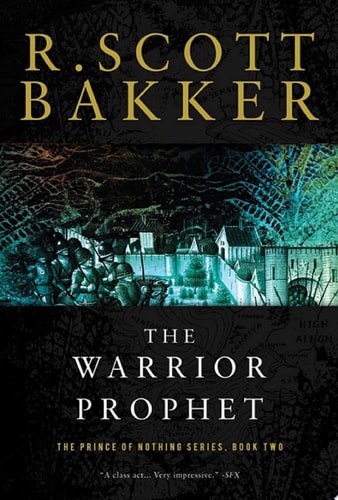
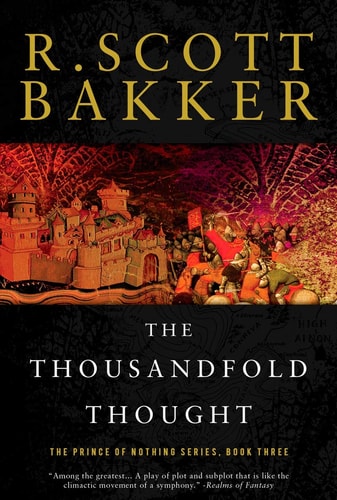
This is the deep-water pick. Bakker abandoned a philosophy PhD at Vanderbilt to write fiction, and it shows on every page. The first trilogy, Prince of Nothing, follows a holy war. At its center is a man who reads people so well he bends history.
The metaphysics are real, not decoration. Be warned: the series is bleak and often disturbing. It earns the Malazan comparison on sheer intellectual ambition.
Start with: The Darkness That Comes Before.
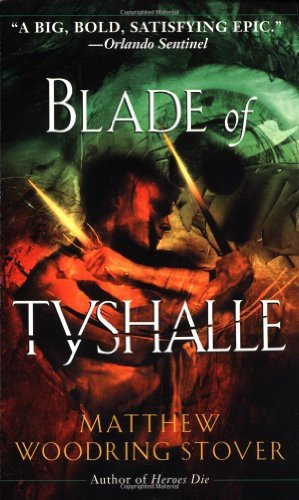
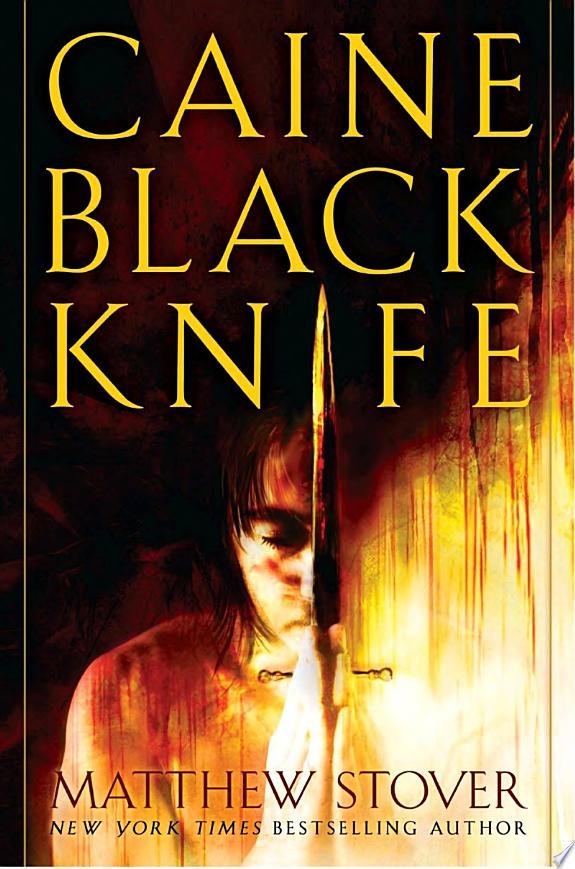
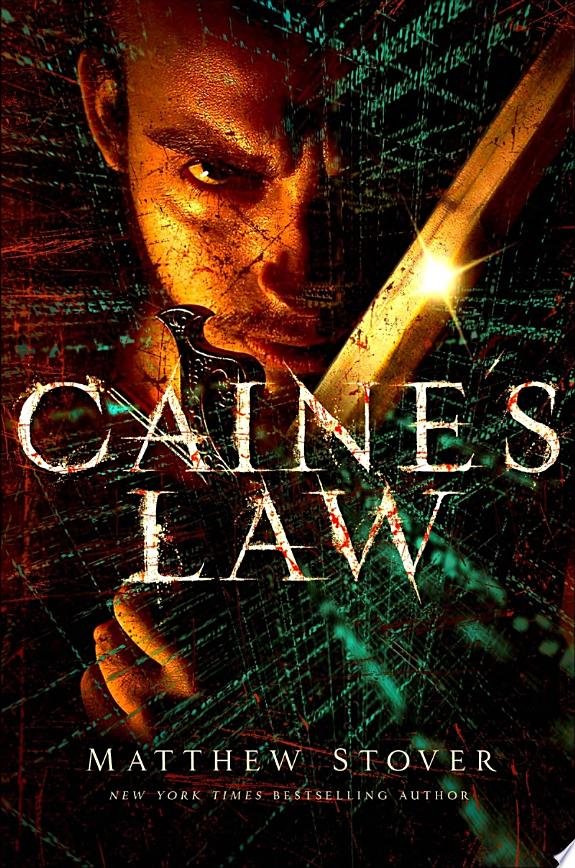
The Acts of Caine by Matthew Stover
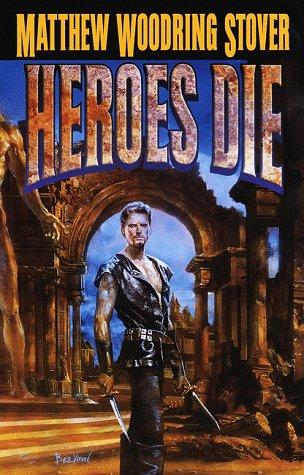
Few readers know these books. They deserve a cult ten times the size. Stover fuses a brutal sword-and-sorcery world with a dystopian future that films its violence for entertainment.
Underneath the action sits hard thinking about free will, class, and what stories do to us. Heroes Die reads fast. Blade of Tyshalle, the sequel, goes far deeper and darker.
Start with: Heroes Die.
Hidden gems most readers miss
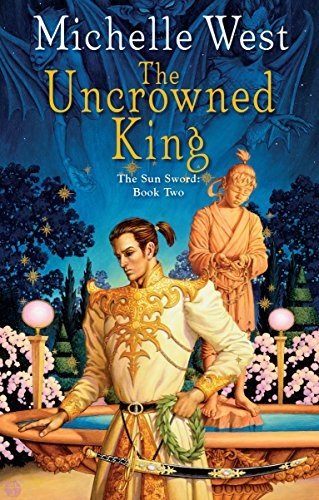
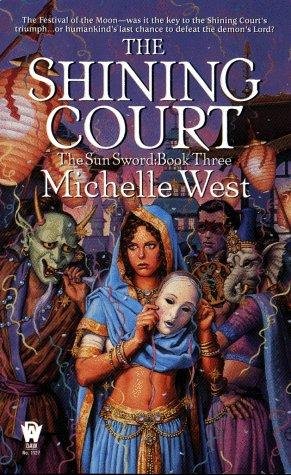
The Sun Sword by Michelle West
West may be the most overlooked great in epic fantasy. Her worldbuilding runs as deep as anything by Erikson or Bakker, yet few readers pick her up.
The Sun Sword spans six volumes of court politics, demonic war, and slow-burn character work. The detail is heavy. Patience pays. Start one series back with The Sacred Hunt duology if you want the full arc.
Start with: The Broken Crown.
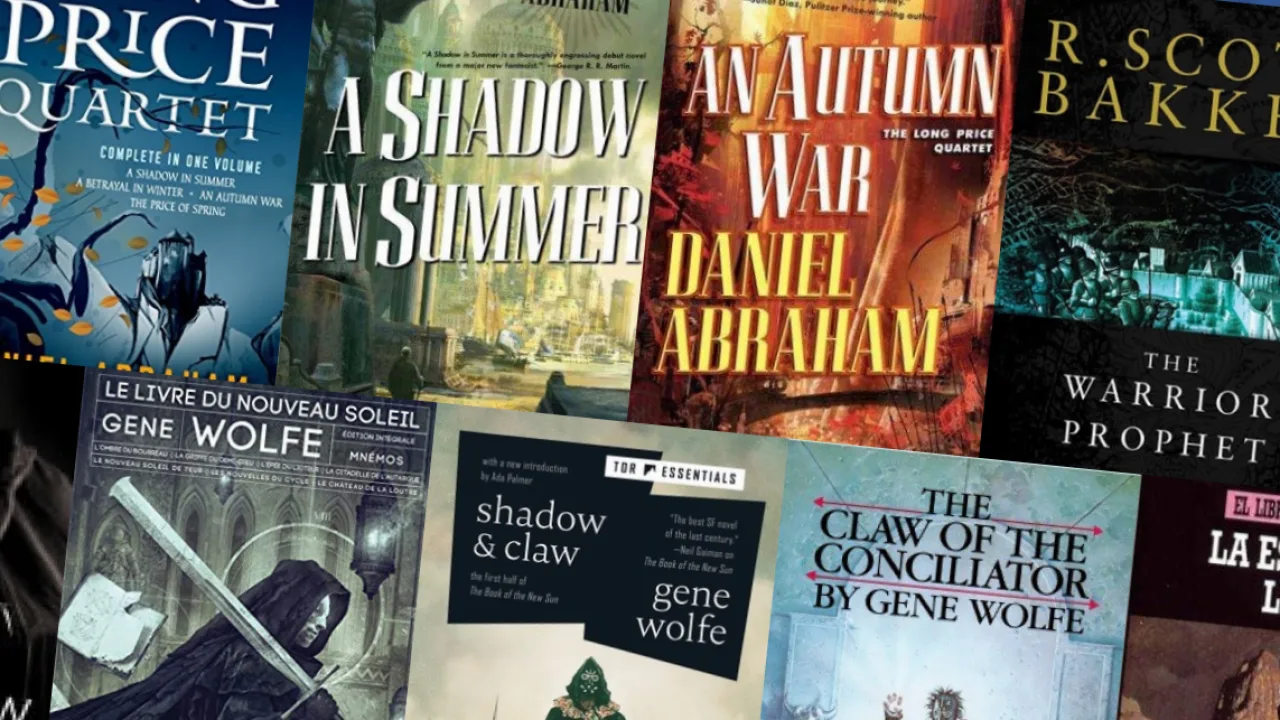
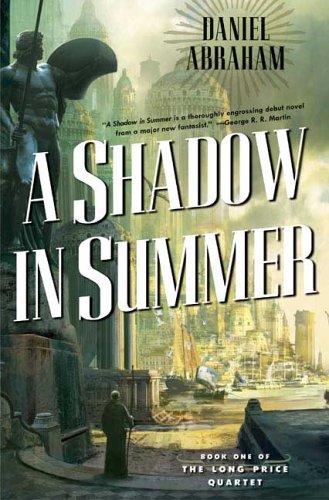
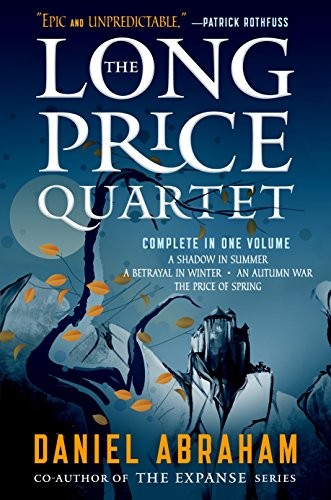
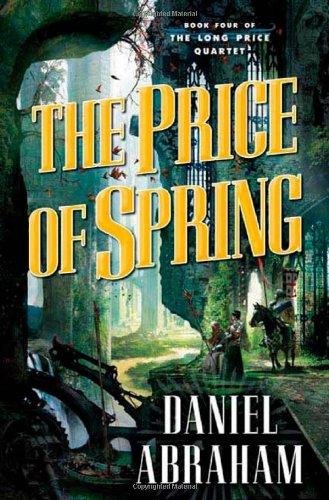
The Long Price Quartet by Daniel Abraham
Series
The Long Price Quartet
This one trades battles for ideas. Abraham builds a world where poets bind abstract concepts into living beings called andat. Each book jumps forward years, so you watch characters age, fail, and live with their choices.
The scope is quiet but vast. If Malazan's emotional gut-punches hooked you, this lands them with less noise.
Start with: A Shadow in Summer.
The literary deep end
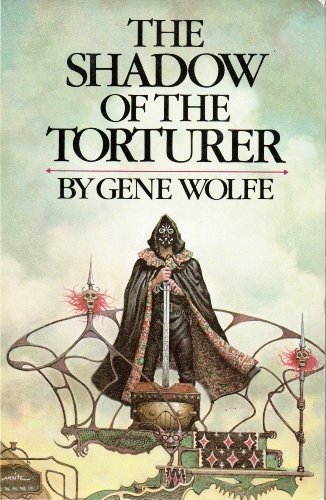
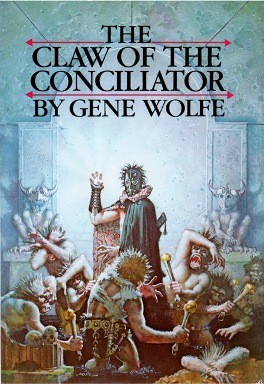
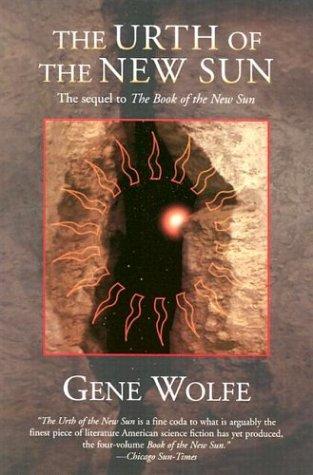
The Book of the New Sun by Gene Wolfe
Series
The Book of the New Sun
Underread rather than obscure, because it asks a lot. Wolfe writes a far-future dying earth through an unreliable narrator who claims perfect memory. Every reread surfaces clues you missed the first time.
For sheer density of meaning per page, nothing here beats it. Slow down and trust the puzzle.
Start with: The Shadow of the Torturer.
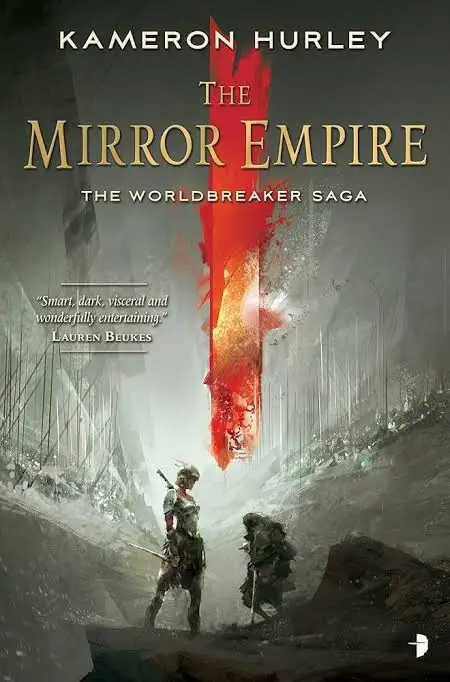
The Worldbreaker Saga by Kameron Hurley
Hurley writes brutal, strange, and original. Parallel worlds bleed into each other, and versions of the same people wage war across the divide. The biology is alien. The politics are sharp.
It is hard going in places. It rewards readers who want something genuinely new.
Start with: The Mirror Empire.
Big names that earn the comparison
The First Law by Joe Abercrombie
Better known, still worth saying. Abercrombie matches Malazan on moral grey and beats most rivals on character voice. The world is smaller and the magic quieter, but the cynicism cuts deep.
Read it for people who feel real and choices that cost something.
Start with: The Blade Itself.
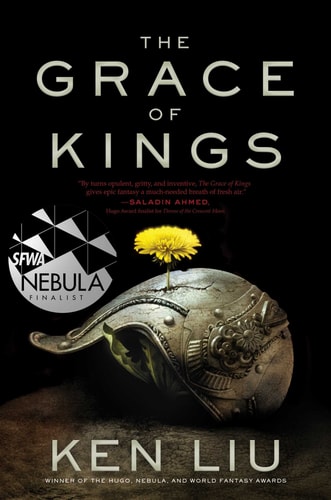
The Dandelion Dynasty by Ken Liu
Series
The Dandelion Dynasty
Liu reimagines the fall of an empire as silkpunk epic. Airships, engineering, and competing philosophies drive a war for a continent. The scale and the ideas match Malazan, with a flavor drawn from Chinese history rather than European myth.
Start with: The Grace of Kings.
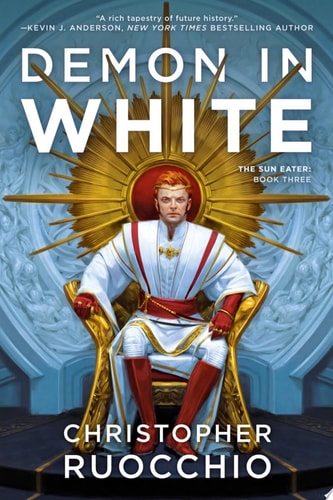
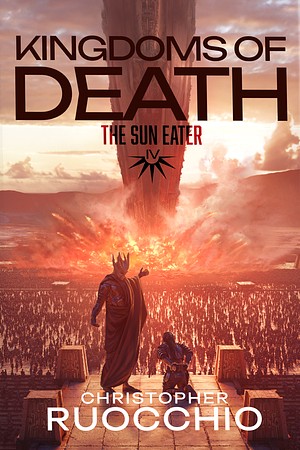
The Sun Eater by Christopher Ruocchio
A bridge for readers who would follow Malazan's depth into space. Ruocchio writes in the Wolfe tradition, a memoir from a man who becomes both hero and monster. The series runs long and gets richer as it goes.
Start with: Empire of Silence.
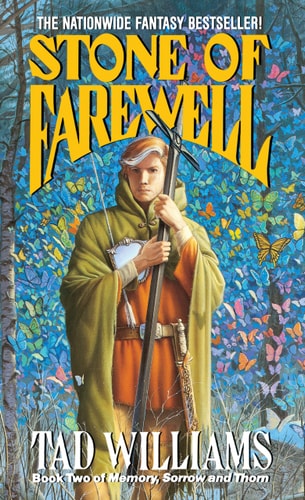
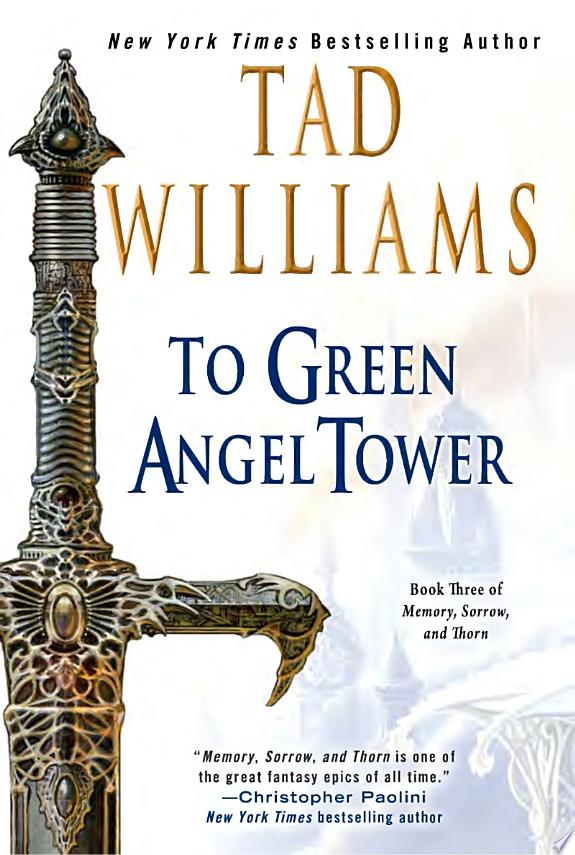
Memory, Sorrow, and Thorn by Tad Williams
Series
Memory, Sorrow, and Thorn
George R.R. Martin credits this series as a direct influence on A Song of Ice and Fire. He has said The Dragonbone Chair showed him "they can do something with this form." The pace is patient. The payoff is enormous. Williams hides a deep history under a story that looks simple at first.
Start with: The Dragonbone Chair.
How to choose your next read
Want the soldier's view of a war bigger than any one man? Start with The Black Company. Want philosophy that hurts? Take Bakker or Stover. After a buried classic, read Michelle West. For the experience closest to opening Gardens of the Moon, pick Marc Turner.
None of these copies Malazan. Each one reaches for the same thing: a world too big to fit in your head, peopled by characters who carry real weight. Pick one and dig in.