From Discworld to Hitchhiker's Guide, these are the books that made me laugh out loud on my worst days. Real comfort reads that are worth your time.
Some days call for a doctor. Some call for chocolate. And some, the 2am ceiling-staring kind, call for a book that makes you snort tea out of your nose.
These are those books. Embarrassingly out-loud funny. Some I've returned to four or five times. All of them have gotten me through something.
Discworld: Terry Pratchett
Start anywhere. Guards! Guards!, Small Gods, Going Postal: pick one and go. Pratchett built a fantasy world from equal parts genius, fury, and genuine warmth. The jokes land hard. Underneath them runs a quiet conviction that people are basically worth it, even when they're being idiots.
“A good bookshop is just a genteel Black Hole that knows how to read.” ― Terry Pratchett, Guards! Guards!
The audiobooks take things further. Nigel Planer's readings of the early Discworld novels are extraordinary. He brings every character (especially trolls and golems) to life. I've listened to Mort while in the bus and had to get off one station short of my destination.
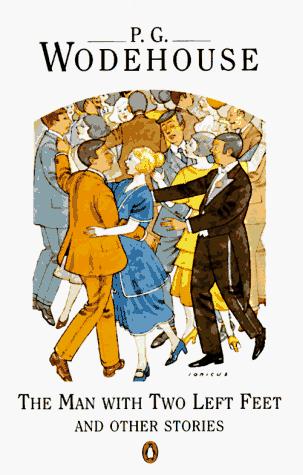
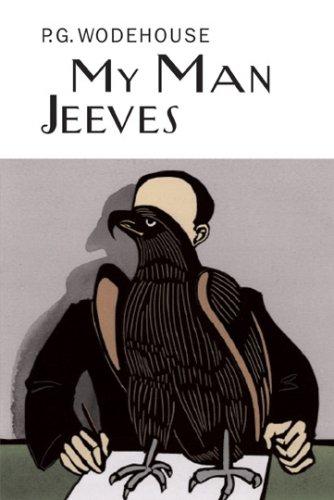
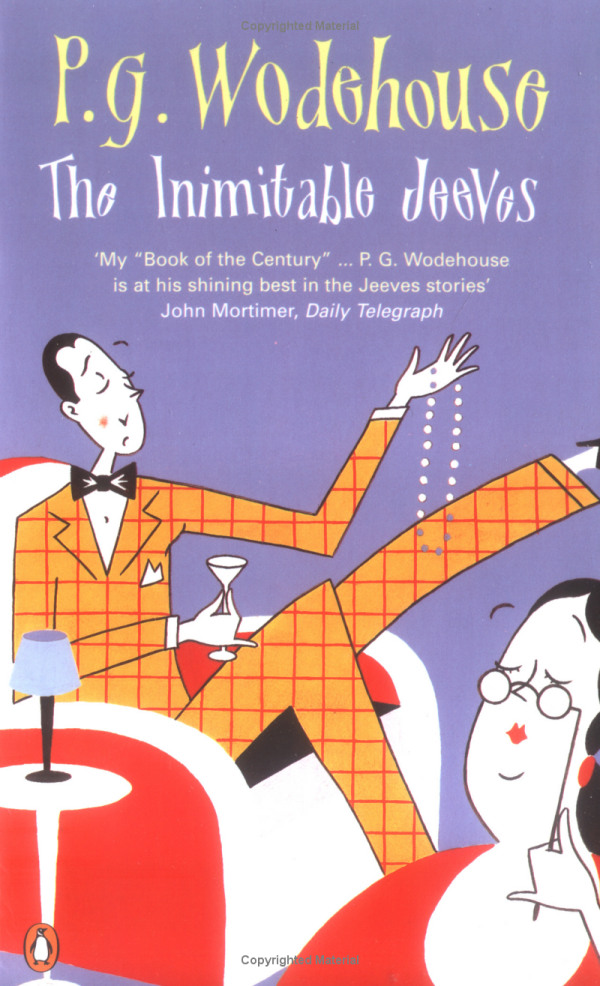
Bertie Wooster is catastrophically useless. His manservant Jeeves is not. Wodehouse spent decades putting Bertie into impossible situations and letting Jeeves rescue him with quiet, devastating competence. The formula never got old.
Wodehouse wrote prose unlike anything before or since: light, musical, and absurd in the best way. Read a paragraph aloud and you'll feel it.
The 1990s TV adaptation is worth watching as well. Stephen Fry plays Jeeves, Hugh Laurie plays Bertie, and they were born for these roles. Watch it after reading a book or two. It lands better with the context.
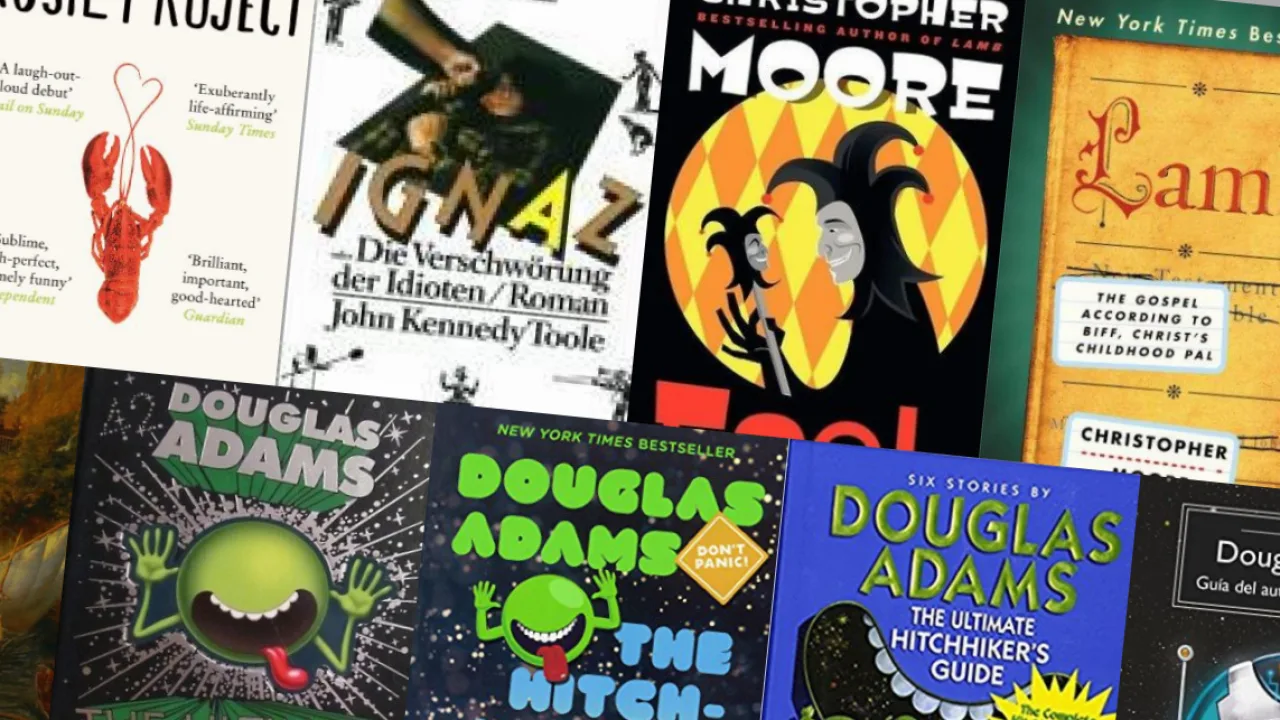
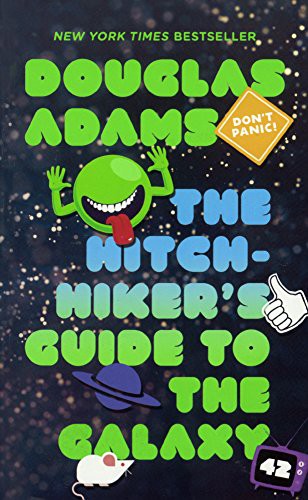
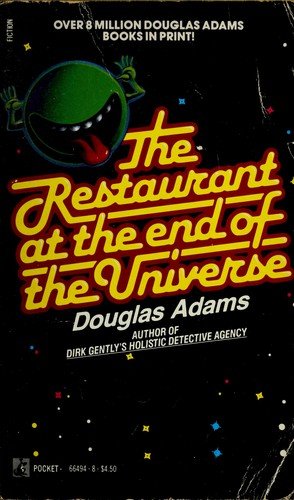
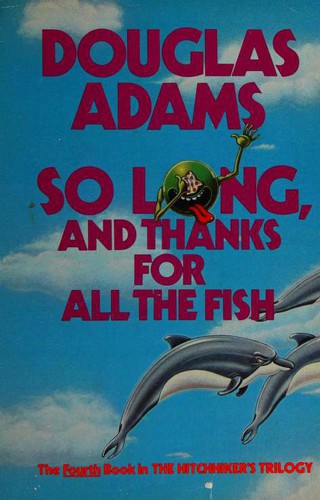
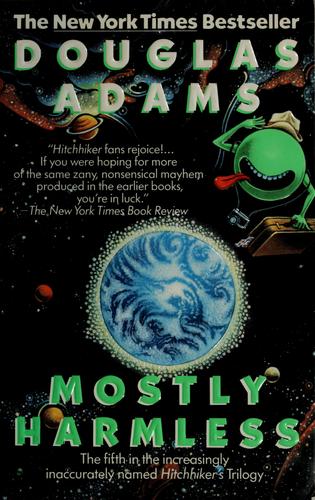
The Hitchhiker's Guide to the Galaxy: Douglas Adams
Arthur Dent wants a cup of tea. The universe is indifferent. One Thursday morning, Earth is demolished to make way for a hyperspace bypass. Arthur ends up hitchhiking across the galaxy in his dressing gown. Adams spent five books exploring that gap with an absurdist precision nobody has matched since.
The whale and the bowl of petunias. Marvin the Paranoid Android. The answer to life, the universe, and everything (It's 42 in case you're curious). If you haven't read this, stop reading this list and go read it right now.
What if Jesus had a childhood friend nobody wrote about? Moore's answer: a fast-talking troublemaker named Biff. He narrates the missing years of Christ's life with zero reverence and a lot of heart. Somehow it's both funny and moving. Moore walks a difficult line and doesn't fall off.
Charlie Asher is a mild-mannered San Franciscan. His wife dies. Shortly after, he discovers he has become a Death Merchant, collecting soul vessels before the wrong entities get them. Moore turns grief and mortality into slapstick and somehow it works completely. The recurring goth girlfriends subplot alone is worth the price.
King Lear retold from the perspective of the Fool, with anachronistic dialogue and Moore's trademark vulgarity. The Fool is the only one who can see what's happening. Moore gives him a blunt, modern mouth to say so. This one is filthy. Underneath the filth, it reads the source material more sharply than most straight adaptations.
A genetics professor, Don Tillman, decides to find a wife using the most rigorous scientific methodology available. He builds a questionnaire. He times his meals to the minute. He is completely oblivious to his own feelings and everyone else's. One of the warmest, funniest novels of the last decade, and it earns every bit of that warmth.
Pratchett and Gaiman wrote this together over fax machines in the late 1980s and the seams don't show. An angel and a demon who've grown fond of Earth conspire to prevent the apocalypse. The Antichrist is a normal eleven-year-old in Oxfordshire. The four horsemen ride motorcycles. Discworld readers will feel at home immediately.
Three Men in a Boat: Jerome K. Jerome
Published in 1889 and still funny. Three friends take a boat trip up the Thames and fail at almost everything. Jerome's comic timing was ahead of its era. There is a chapter about opening a tin of pineapple with a mast. It is one of the funniest passages in the English language.
Ignatius J. Reilly is the most infuriating, deluded, flatulent protagonist in American fiction. He lives in New Orleans, wears a hunting cap, and lectures everyone around him on their inadequacies. He contributes nothing to society. The novel is relentless, scene after scene of escalating catastrophe. Toole never saw it published; his mother spent years fighting to get it into print. It won the Pulitzer Prize in 1981. Every page is worth it.
None of these will fix a bad day. They can get you through the night, which is often enough.