Most read Health books
Most read Health books
These are the Health books most read by Seekquel members, ranked by real reading activity across 33 titles, not scraped popularity.
Based on Seekquel member reading activity. Updated weekly.
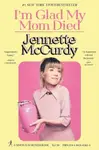
- I'm Glad My Mom DiedJennette McCurdy · 2022Community rating: 4.43 out of 5
The #1 New York Times bestselling memoir by the iCarly and Sam & Cat star, about a childhood organised entirely around her mother's ambitions — auditions from the age of six, calorie restriction taught as "a secret between us," and the eating disorders, addiction and early fame that followed — and the disorienting grief and relief that came after her mother's death in 2013. Adapted from McCurdy's one-woman stage show and written with mordant, disarming humour.
- coming of age
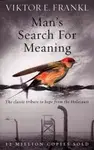
- Man's Search for MeaningViktor E. Frankl · 1946Community rating: 4.18 out of 5
Psychiatrist Viktor Frankl draws on his survival of three years in Nazi concentration camps to ask why some prisoners kept their will to live while others gave up. His answer — that we always retain the freedom to choose our attitude — grounds logotherapy, his conviction that the deepest human drive is the search for meaning. A sober, humane, and quietly hopeful classic.
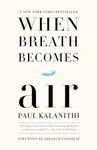
- When Breath Becomes AirPaul Kalanithi · 2016Community rating: 4.1 out of 5
When Breath Becomes Air is the posthumously published memoir of Paul Kalanithi, a gifted neurosurgeon who was diagnosed with stage IV lung cancer at the age of 36, just as he was completing a decade of training and preparing to begin his career. A finalist for the Pulitzer Prize and a runaway bestseller, it is one of the most widely read meditations on illness and meaning of its generation. The book moves between two lives: Kalanithi's path into medicine and literature — the questions about mortality and the mind that drew him to neurosurgery — and his abrupt transformation from the doctor delivering diagnoses to the patient receiving one. With clarity and candor, he confronts what makes a life meaningful when the future he planned is taken away, and how to keep living fully while dying. Left unfinished at his death in 2015 and completed with an epilogue by his wife, Lucy, When Breath Becomes Air is a spare, unsentimental, and profoundly humane reckoning with mortality, vocation, and love.
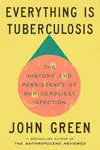
- Everything Is TuberculosisJohn Green · 2025Community rating: 3.93 out of 5
John Green, known for his advocacy in global healthcare, shares a deeply human story about the fight against tuberculosis. Through the personal journey of a young patient named Henry in Sierra Leone, Green explores the history of the disease, its connection to poverty and injustice, and the ongoing efforts to combat it. This book highlights the critical need for increased access to treatment and awareness of healthcare inequities.
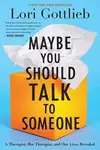
- Maybe You Should Talk to SomeoneLori Gottlieb · 2019Community rating: 4.12 out of 5
Lori Gottlieb is a practicing psychotherapist whose days are spent helping other people untangle their lives. Then her own long-term relationship collapses without warning, and she finds herself doing something she has spent her career recommending to others: sitting on the other side of the room, in a state of crisis, seeing a therapist of her own. The book braids Gottlieb's sessions with her wry, unsparing therapist, Wendell, together with the stories of four of her own patients. There is John, an abrasive Hollywood producer convinced everyone around him is an idiot; Julie, a young newlywed forced to reckon with a devastating diagnosis; Rita, approaching seventy and haunted by regret; and Charlotte, a twenty-something caught in self-defeating patterns. As their lives unfold, the line between healer and patient blurs, and Gottlieb turns the same searching attention on herself. Funny, humane, and quietly profound, Maybe You Should Talk to Someone is a memoir about the strange intimacy of therapy and a wide-ranging meditation on change, mortality, and meaning. It demystifies what actually happens in the consulting room and makes a persuasive case that self-examination, however uncomfortable, is where real change begins.
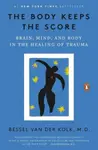
- The Body Keeps the ScoreBessel van der Kolk · 2014Community rating: 3.9 out of 5
Trauma is not just an event that took place sometime in the past; it is also the imprint left by that experience on mind, brain and body. Drawing on more than three decades of work with combat veterans, abused children, and survivors of assault and disaster, Dr. Bessel van der Kolk shows how trauma literally reshapes both body and brain, compromising sufferers' capacities for pleasure, engagement, self-control and trust. Blending clinical case studies with cutting-edge neuroscience, van der Kolk explains why traumatized people are haunted by intolerable sensations and emotions long after the danger has passed, and why talk therapy alone is often not enough. He then explores a range of treatments — from EMDR and neurofeedback to yoga, theatre, and mindfulness — that can help the brain to "rewire" itself and reactivate the innate capacity for healing. The Body Keeps the Score is a landmark work on the science of trauma and recovery, arguing with clarity and compassion that by understanding how trauma lives in the body, we can find genuine paths back to wholeness.
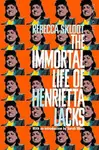
- The Immortal Life of Henrietta LacksRebecca Skloot · 2010Community rating: 4.02 out of 5
This book tells the incredible true story of Henrietta Lacks, a poor black woman whose cells were taken without her knowledge in 1951. These cells, known as HeLa, became one of the most important tools in medicine, vital for developing the polio vaccine and countless other breakthroughs. Yet, Henrietta's family remained unaware of her contribution and its impact for decades, living in poverty while her cells were bought and sold worldwide.
- morally grey
- sacrifice
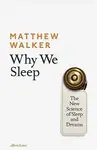
- Why We SleepMatthew Walker · 2017Community rating: 4.19 out of 5
Neuroscientist Matthew Walker lays out what decades of sleep research have found: that too little sleep damages memory, mood, the immune system and long-term disease risk in specific, measurable ways. He explains how deep sleep consolidates memories and clears toxic waste from the brain, how REM sleep processes emotion, and what caffeine and alcohol actually do to both. The book closes with concrete steps for sleeping better.
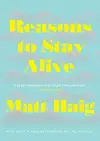
- Reasons To Stay AliveMatt Haig · 2015Community rating: 3.83 out of 5
At twenty-four, novelist Matt Haig's world caved in and he came close to ending his life. This bestselling memoir is his frank, hopeful account of living through severe depression and anxiety and slowly finding his way back — part personal story, part reflection on mental illness, and part reassurance, addressed to anyone in the dark, that things can and do get better.
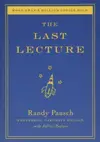
- The Last LectureRandy Pausch, Jeffrey Zaslow · 2008Community rating: 3.86 out of 5
Carnegie Mellon computer science professor Randy Pausch, dying of pancreatic cancer, gave a final lecture titled "Really Achieving Your Childhood Dreams". This book, written with Wall Street Journal reporter Jeffrey Zaslow, expands on that talk. It pairs episodes from Pausch's life with the lessons he took from them, written as advice for his three young children.
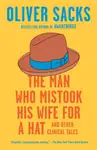
- The Man Who Mistook His Wife for a HatOliver Sacks · 1985Community rating: 4.02 out of 5
A music teacher cannot recognise a glove and mistakes his wife's head for his hat. Oliver Sacks recounts 24 neurological cases, from a sailor stuck in 1945 to twins who trade prime numbers, asking how a damaged brain adapts.
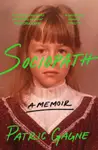
- SociopathPatric Gagne · 2024Community rating: 3.82 out of 5
Patric Gagne knew she made people uneasy before she started kindergarten. Fear, guilt and empathy did not arrive the way they seemed to for everyone else, and the absence built into a pressure she could only relieve by doing something she was not supposed to. Her account of working out what that meant, and of the doctorate she eventually wrote about it.
- coming of age
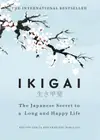
- Ikigai: The Japanese secret to a long and happy lifeFrancesc Miralles, Héctor García · 2016Community rating: 3.5 out of 5
An accessible introduction to ikigai, the Japanese concept of a reason for being. Drawing on the habits of the long-lived residents of Okinawa's Ogimi village, Hector Garcia and Francesc Miralles connect purpose, community, movement, and moderation into a gentle guide for a longer, more meaningful life.
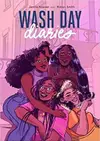
- Wash Day DiariesJamila Rowser, Robyn Smith · 2022Community rating: 4.36 out of 5
This graphic novel follows four Black women navigating life, friendship, and self-care through the lens of their hair routines. From wash day rituals to styling choices, their hair becomes a central element in their personal journeys and shared experiences. The stories explore themes of identity, community, and the everyday joys and challenges of modern womanhood.
- found family
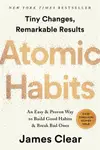
- Hábitos atómicosJames Clear · 2018Community rating: 3.58 out of 5
Habits fail because of the system behind them, says James Clear, not because of weak will. Drawing on biology, psychology and neuroscience, he lays out a practical method for building good habits, dropping bad ones, and letting tiny daily changes compound.
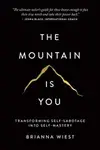
- The Mountain Is YouBrianna Wiest · 2020Community rating: 3.58 out of 5
People wreck the very goals they want, and Brianna Wiest draws on psychology to explain why. She covers procrastination, anxiety and failed relationships, and lays out how to stop repeating the pattern.
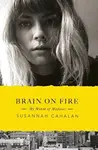
- Brain on FireSusannah Cahalan · 2012Community rating: 4.28 out of 5
A young journalist's life takes a terrifying turn when she begins experiencing memory loss and violent delusions. After numerous misdiagnoses, she's finally identified with a rare autoimmune disease affecting the brain. This memoir chronicles her arduous journey toward recovery and her quest to understand the lost month of her life.
- survival
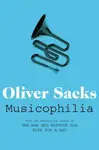
- MusicophiliaOliver Sacks · 2007Community rating: 4.03 out of 5
Oliver Sacks, a renowned neurologist, invites you into the fascinating world of music and the human brain. Through the stories of individuals with unique relationships to music, he explores its power to affect memory, emotion, and even physical capabilities. Discover how music can profoundly shape and heal our lives.
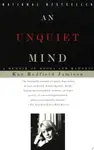
- An Unquiet MindKay Redfield Jamison · 1995Community rating: 4.28 out of 5
Kay Redfield Jamison, a renowned expert on bipolar disorder, offers a deeply personal account of her lifelong struggle with the illness. Since adolescence, she has navigated the intense emotional highs and lows, sharing how these experiences have shaped her life and her groundbreaking career. This memoir is a testament to her resilience and her drive to understand and help others facing similar challenges.
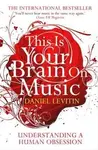
- This is Your Brain on MusicAndreas Held, Daniel J. Levitin · 2006Community rating: 3.64 out of 5
Neuroscientist Daniel J. Levitin explores the profound connection between music and the human brain. He investigates how we compose, perform, listen to, and enjoy music, arguing that it is fundamental to our species. Drawing on scientific research and diverse musical examples, Levitin reveals the mechanisms behind our emotional attachment to music, the nature of musical expertise, and why songs get stuck in our heads.
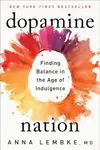
- Dopamine NationAnna Lembke · 2021Community rating: 3.78 out of 5
In a world overflowing with instant gratification, Dr. Anna Lembke explores the science behind our constant pursuit of pleasure and its inevitable link to pain. This book offers practical advice for finding a healthier balance, helping readers manage their dopamine levels to achieve greater contentment and genuine connection.
- mentor figure
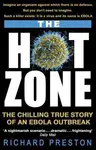
- The Hot ZoneRichard Preston · 1994Community rating: 4.15 out of 5
Richard Preston explores the terrifying world of deadly viruses, including Ebola, tracing their origins and impact. This non-fiction account examines the science of these pathogens and the stories of those affected. It offers a chilling look at the potential for global pandemics.
- survival
- quest
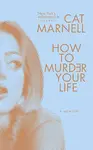
- How to murder your lifeCat Marnell · 2017Community rating: 3.91 out of 5
A beauty editor at New York's glossiest magazines, Cat Marnell had the dream job — and a secret, all-consuming addiction to prescription pills. In this unsparing, darkly funny memoir, she traces her path from a pill-strewn childhood through her rise in fashion media and her very public unraveling, writing with zero self-pity about ambition, privilege, and self-destruction.
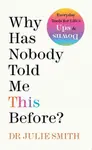
- Why Has Nobody Told Me This Before?Julie Smith · 2022Community rating: 3.53 out of 5
A clinical psychologist who worked in the NHS offers short, practical entries on anxiety, low mood, criticism, motivation and self-forgiveness. Each can be read alone, for readers who want usable tools and may not have access to therapy.
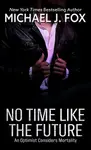
- No Time Like the FutureMichael J. Fox · 2020Community rating: 4.28 out of 5
Michael J. Fox reflects on his life, career, and ongoing battle with Parkinson's disease in this candid memoir. He shares insights on aging, illness, and the pursuit of optimism, offering a personal look at how he navigates challenges with humor and grace. This book explores the evolution of his perspective on time, fame, and family, providing a thoughtful meditation on what it means to live fully.
- survival
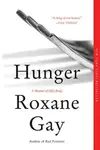
- HungerRoxane Gay · 2016Community rating: 3.75 out of 5
Roxane Gay offers a raw and honest account of her life, focusing on her complicated relationship with food, her body, and the past traumas that have shaped her. This memoir explores the challenges of self-acceptance and finding peace in a world that often judges. Gay shares her personal journey toward understanding what it truly means to care for oneself, both physically and emotionally.
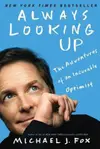
- Always looking upMichael J. Fox · 2009Community rating: 3.9 out of 5
Michael J. Fox shares his journey of navigating life with Parkinson's disease, revealing how he transformed challenges into opportunities. This memoir explores his personal policy of engagement and discovery, an outlook that has guided him through his struggle. Fox reflects on his retirement from acting and the unexpected paths it opened, including a deeper connection with his family, as he built a new life while embracing optimism.
- redemption arc
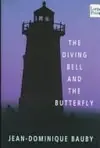
- The Diving Bell and the ButterflyJean-Dominique Bauby · 1997Community rating: 3.53 out of 5
After a stroke left him with locked-in syndrome — fully conscious but able to move only his left eyelid — Jean-Dominique Bauby, editor of French Elle, composed this memoir by blinking out each letter as an assistant recited the alphabet. He describes the "diving bell" of his paralysed body and the "butterfly" of his still-free imagination, with grief, wit, and no self-pity. A luminous meditation on consciousness and the human spirit.
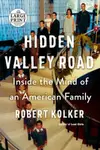
- Hidden Valley RoadJulio Hermoso, Marc Rubió, Robert Kolker · 2020Community rating: 3.89 out of 5
This book chronicles the extraordinary true story of the Galvin family, who lived in upstate New York. Six of their twelve children were diagnosed with schizophrenia, and their family's experiences became a significant part of scientific research into the disease. It's a look at how one family navigated a devastating illness and contributed to understanding it.
- found family
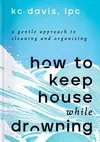
- How to Keep House While DrowningKC Davis · 2020Community rating: 4.04 out of 5
Feeling overwhelmed by home care? This compassionate guide offers six principles to change your approach without endless to-do lists. Through 31 daily thoughts, you'll learn to reframe care tasks, quiet negative self-talk, and give yourself permission to rest. Discover how to motivate yourself and find freedom from shame and anxiety around your living space.