Émile Zola
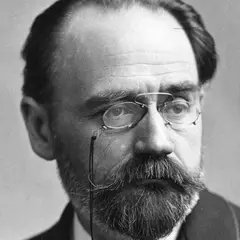
Émile Zola
2 April 1840 – 28 September 1902 · From France- Books
- 37
- Followers
- 1
About
Emile Zola was a French journalist and novelist known for his series of 20 novels known collectively as Les Rougon-Macquart (1871-93). Zola's style was called literary naturalism; his novels were attacked and even banned for their frankness and sordid detail, and caused quite a bit of controversy in their day.
The same traits made him a best-selling author and a star of French literature in his day. In 1898 he then further incurred the wrath of French officials when he published the open letter "J'Accuse," in defense of Alfred Dreyfus, an Army officer who had been convicted of treason.
Zola was sentenced to prison for libel, fled to England, and was granted amnesty a few months later. He died in Paris from carbon monoxide poisoning -- the victim of a stopped-up chimney -- a few months before Dreyfus was officially exonerated.
Top genres
Classics Literary Fiction Fiction Historical Fiction Essays
Also known as
Featured works
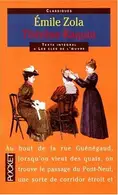
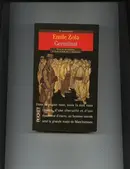
Series



Authors in the same genres


Frequently asked questions
Émile Zola is primarily known for his extensive series of twenty novels, Les Rougon-Macquart, which chronicles the lives of a family under the Second French Empire. He was a leading figure in the literary naturalism movement, applying scientific observation to his detailed portrayals of society.
For readers new to Émile Zola, a good starting point is often "Germinal," which offers a powerful depiction of a coal mining community, or "Nana," known for its vivid portrayal of Parisian life and the demimonde. Both are strong examples of his naturalistic style and themes.
Many of Émile Zola's novels have been adapted into films and television series over the years, including notable adaptations of "Germinal," "Nana," and "Thérèse Raquin." These adaptations often capture the dramatic and social commentary aspects of his original works.
The Rougon-Macquart series is designed to be read in a specific order to follow the generational saga, though many individual novels can also be enjoyed as standalones. Starting with "La Fortune des Rougon" (The Fortune of the Rougons) provides the foundational family history, with subsequent novels exploring different branches and social strata.