Fyodor Dostoyevsky
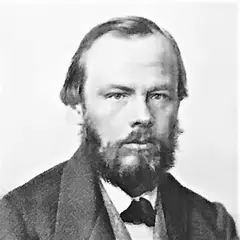
Fyodor Dostoyevsky
Author • Editor • Illustrator11 November 1821 – 9 February 1881 · From Russia- Books
- 102
- Followers
- 2
About
Fyodor Mikhailovich Dostoevsky (1821–1881) was a Russian novelist, short-story writer, essayist and philosopher, widely regarded as one of the greatest novelists in Russian and world literature. Born in Moscow, his life was transformed by four years of imprisonment and exile in Siberia after his involvement with the Petrashevsky Circle, an experience that shaped the psychological depth of his later fiction.
His major novels — including Crime and Punishment (1866), The Idiot (1869), Demons (1872) and The Brothers Karamazov (1880) — explore questions of faith, morality, freedom and human suffering through richly drawn, conflicted characters. Notes from Underground (1864) is considered a forerunner of 20th-century existentialism.
Dostoevsky's psychological insight and philosophical range have made him a lasting influence on literature, philosophy and psychology worldwide.
Top genres
Classics Literary Fiction Fiction Short Stories Philosophy
Also known as
Links
Featured works



Series


Authors in the same genres


Frequently asked questions
What is the best starting point for reading Fyodor Dostoyevsky?
For readers new to Dostoyevsky, "Crime and Punishment" is often recommended as an accessible entry point due to its compelling plot and exploration of moral themes. "Notes from Underground" also offers a concise introduction to his philosophical style.
Are there film adaptations of Fyodor Dostoyevsky's novels?
Many of Fyodor Dostoyevsky's works have been adapted into films and television series across various countries. "Crime and Punishment" and "The Brothers Karamazov" are among his most frequently adapted novels.
What is unique about Fyodor Dostoyevsky's writing style?
Dostoyevsky is known for his deep psychological explorations of characters, often delving into complex moral and philosophical dilemmas. His novels frequently feature polyphonic narratives, where multiple independent voices and viewpoints are presented.