Bachtyar Ali
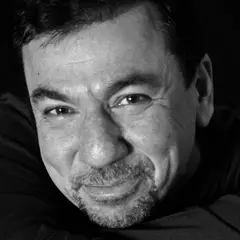
Bachtyar Ali
b. 1966 · From Iraq- Books
- 8
- Followers
- 0
About
Bachtyar Ali (Sorani Kurdish: بەختیار عەلی; also transliterated Bakhtiyar or Bakhtyar Ali) is a Kurdish novelist, poet and essayist, born in 1966 in Sulaymaniyah in Iraqi Kurdistan. Injured during student protests against Saddam Hussein's government in 1983, he abandoned his geology studies for literature, and published his first poetry collection, Gunah w Karnaval (Sin and Carnival), in 1992.
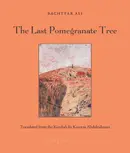
He has lived in Germany since the mid-1990s and continues to write in Sorani Kurdish. His fiction sets the recent political history of Kurdistan alongside the devices of magical realism, and includes Duwahamin Henari Dunya (2002), translated as The Last Pomegranate Tree, Sharî Mosîqare Spîyekan (2006) and Koshkî Balinde Xemgînekan (2009).
Among the most widely read contemporary Kurdish writers, he has been translated into Arabic, Persian, German, Italian, French and English. He received the Nelly Sachs Prize in 2017, the first author writing in a non-European language to do so, and the Hilde Domin Prize for Literature in Exile in 2023.
Top genres
Also known as
Links
Featured works
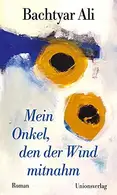
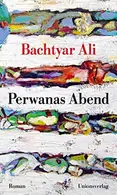
Authors in the same genres


Frequently asked questions
Bachtyar Ali is widely recognized as one of the most prominent contemporary Kurdish novelists and poets. He is particularly noted for his intricate narratives that often blend political commentary with elements of magical realism and philosophical depth.
A good starting point for new readers is "The Last Pomegranate Tree," as it was his first novel translated into English and received significant international acclaim, offering a representative introduction to his unique style and themes.
He won the Nelly Sachs Prize, awarded by the city of Dortmund, in 2017 — the first time the prize went to an author writing in a non-European language. In 2023 he won the Hilde Domin Prize for Literature in Exile, awarded by the city of Heidelberg. Both are given for a body of work rather than for a single book.
He writes in Sorani, the south-eastern variant of Kurdish, and has continued to write in it since moving to Germany in the mid-1990s. His novels have been translated into Arabic, Persian, Kurmanji Kurdish, German, Italian, French and English, so readers outside Kurdistan almost always meet his work in translation.