Gabriel García Márquez

Gabriel García Márquez
Author • Editor1927-03-06 – 2014-04-17 · From Colombia44
Books3.5
Avg Rating45
Ratings0
FollowersAbout
Gabriel García Márquez (6 March 1927 – 17 April 2014) was a Colombian novelist, short-story writer, screenwriter and journalist, born in Aracataca on Colombia's Caribbean coast. He earned his living as a journalist long before he earned it as a novelist, reporting from Paris in the 1950s and later w…
Top Genres
Literary Fiction Fiction Classics Magical Realism Short Stories
Also Known As
Gabriel José de la Concordia García MárquezLinks
WikipediaFeatured Works


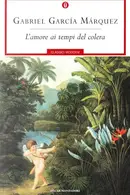


Authors in the same genres


Frequently asked questions
What is Gabriel García Márquez best known for?
Gabriel García Márquez is widely celebrated for pioneering the literary style of magical realism, blending fantastical elements seamlessly into realistic settings. His work often explores themes of solitude, love, and the cyclical nature of time, deeply rooted in Latin American history and culture.
Which Gabriel García Márquez book should I read first?
For readers new to Gabriel García Márquez, "One Hundred Years of Solitude" is often recommended as an excellent starting point, showcasing his signature magical realism and epic storytelling. Alternatively, "Love in the Time of Cholera" offers a more focused narrative on enduring love and is also highly accessible.
Are there film adaptations of Gabriel García Márquez's books?
Several of Gabriel García Márquez's works have been adapted into films, including "Love in the Time of Cholera" and "Chronicle of a Death Foretold." His novel "One Hundred Years of Solitude" has also been adapted into a television series.
Did Gabriel García Márquez win any major awards?
Yes. García Márquez was awarded the Nobel Prize in Literature in 1982, cited "for his novels and short stories, in which the fantastic and the realistic are combined in a richly composed world of imagination, reflecting a continent's life and conflicts". He was the fourth Latin American writer to receive it, after Gabriela Mistral (1945), Miguel Ángel Asturias (1967) and Pablo Neruda (1971).