Lord Dunsany

Lord Dunsany
24 July 1878 – 25 October 195722
Books—
Avg Rating0
Ratings0
FollowersAbout
Edward John Moreton Drax Plunkett was born in Ireland, the first son of John William Plunkett, 17th Baron of Dunsany and Ernle Elizabeth Louisa Maria Grosvenor Ernle-Erle-Drax. He spent his childhood at several family properties, including Dunstall Priory in Shoreham, Kent, Dunsany Castle in County …
Top Genres
Fiction Short Stories Classics Fantasy Horror
Also Known As
Edward John Moreton Drax Plunkett Dunsany, Edward John Moreton Drax Plunkett Baron Dunsany, Edward Plunkett, 18. Baron of Dunsany, Plunkett, Edward 18th Baron of Dunsany, Edward 18th Baron of Dunsany, Drax Plunkett Dunsany, Edward Plunkett, 18. Baron Dunsany, Lord Dunsany (Edward J. M. D. Plunkett), Baron of Dunsany, Lord Dunsany(Edward J. M. D. Plunkett), dunsanyFeatured Works

Great Short Tales of Mystery and Terror
Alfred McLelland Burrage

Librivox Short Story Collection 074
Ambrose Bierce

The Nightmare Reader
Aleister Crowley

Graphic Classics, Special Edition
Ambrose Bierce
Graphic novel
Graphic Classics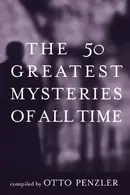
The 50 Greatest Mysteries of All Time
A. A. Milne
The Syrena Legacy #0.4Series


Authors in the same genres


Frequently asked questions
What is Lord Dunsany best known for?
Lord Dunsany is widely recognized as a pioneer of modern fantasy literature, particularly for his influential short stories and plays that helped shape the genre. His work is noted for its dreamlike quality and creation of elaborate, mythical worlds.
Where should a new reader start with Lord Dunsany?
For readers new to Lord Dunsany, a good starting point is often his collection "The Book of Wonder" or "Fifty-One Tales," as these showcase his distinctive style and imaginative world-building in accessible short story formats.
Did Lord Dunsany influence other fantasy authors?
Lord Dunsany's unique style and fantastical settings had a significant impact on later fantasy writers, including H.P. Lovecraft, J.R.R. Tolkien, and Ursula K. Le Guin, who drew inspiration from his mythopoeic approach.