Ian McEwan

Ian McEwan
b. 21 June 1948 · From United Kingdom- Books
- 26
- Followers
- 0
About
Ian Russell McEwan (born 21 June 1948) is a British novelist and screenwriter. He began his career writing sparse, Gothic short stories. His first two novels, The Cement Garden (1978) and The Comfort of Strangers (1981), earned him the nickname "Ian Macabre". These were followed by three novels of some success in the late 1980s and early 1990s.
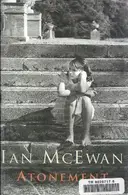
His 1997 novel Enduring Love was adapted into a film of the same name. He won the Booker Prize with Amsterdam (1998). He was awarded the 1999 Shakespeare Prize. His next novel, Atonement (2001), garnered acclaim and was adapted into an Oscar-winning film. He received the 2011 Jerusalem Prize.
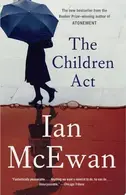
His later novels have included The Children Act, Nutshell, Machines Like Me and What We Can Know.
Top genres
Literary Fiction Fiction Contemporary Literature Essays Historical Fiction
Links
Featured works



Series
Authors in the same genres


Frequently asked questions
Ian McEwan is widely recognized for his novels "Atonement" and "Amsterdam." "Amsterdam" notably won the Booker Prize, and "Atonement" was adapted into a highly successful film.
Several of Ian McEwan's novels have been adapted for the screen. "Atonement" and "Enduring Love" are two prominent examples that have received film adaptations.
Ian McEwan is known for his precise and elegant prose, often exploring themes of memory, morality, and the impact of chance events on human lives. His narratives frequently feature psychological depth and intricate plotting.
For readers new to Ian McEwan, "Atonement" is often recommended as an excellent starting point due to its critical acclaim and compelling narrative. "Amsterdam" also offers a strong introduction to his work and won the Booker Prize.
Yes. McEwan won the Jerusalem Prize for the Freedom of the Individual in Society in 2011, an international award given not for a single book but for a writer's whole body of work, presented at the Jerusalem International Book Fair. He was also awarded the Shakespeare Prize by Hamburg's Alfred Toepfer Foundation in 1999, another award recognising a writer's overall literary achievement rather than one title.