Most read Medicine books
Most read Medicine books
These are the Medicine books most read by Seekquel members, ranked by real reading activity across 19 titles, not scraped popularity.
Based on Seekquel member reading activity. Updated weekly.
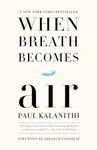
- When Breath Becomes AirPaul Kalanithi · 2016Community rating: 4.1 out of 5
When Breath Becomes Air is the posthumously published memoir of Paul Kalanithi, a gifted neurosurgeon who was diagnosed with stage IV lung cancer at the age of 36, just as he was completing a decade of training and preparing to begin his career. A finalist for the Pulitzer Prize and a runaway bestseller, it is one of the most widely read meditations on illness and meaning of its generation. The book moves between two lives: Kalanithi's path into medicine and literature — the questions about mortality and the mind that drew him to neurosurgery — and his abrupt transformation from the doctor delivering diagnoses to the patient receiving one. With clarity and candor, he confronts what makes a life meaningful when the future he planned is taken away, and how to keep living fully while dying. Left unfinished at his death in 2015 and completed with an epilogue by his wife, Lucy, When Breath Becomes Air is a spare, unsentimental, and profoundly humane reckoning with mortality, vocation, and love.
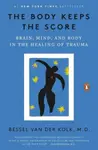
- The Body Keeps the ScoreBessel van der Kolk · 2014Community rating: 3.9 out of 5
Trauma is not just an event that took place sometime in the past; it is also the imprint left by that experience on mind, brain and body. Drawing on more than three decades of work with combat veterans, abused children, and survivors of assault and disaster, Dr. Bessel van der Kolk shows how trauma literally reshapes both body and brain, compromising sufferers' capacities for pleasure, engagement, self-control and trust. Blending clinical case studies with cutting-edge neuroscience, van der Kolk explains why traumatized people are haunted by intolerable sensations and emotions long after the danger has passed, and why talk therapy alone is often not enough. He then explores a range of treatments — from EMDR and neurofeedback to yoga, theatre, and mindfulness — that can help the brain to "rewire" itself and reactivate the innate capacity for healing. The Body Keeps the Score is a landmark work on the science of trauma and recovery, arguing with clarity and compassion that by understanding how trauma lives in the body, we can find genuine paths back to wholeness.
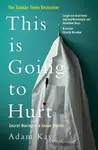
- This is going to hurtAdam Kay · 2017Diaries of a Junior Doctor #1Community rating: 4.23 out of 5
Adam Kay's bestselling diaries of his years as a junior doctor in the NHS — by turns hilarious, horrifying, and heartbreaking. An unvarnished look at 97-hour weeks, impossible decisions, and a health service pushed to the brink.
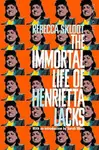
- The Immortal Life of Henrietta LacksRebecca Skloot · 2010Community rating: 4.02 out of 5
This book tells the incredible true story of Henrietta Lacks, a poor black woman whose cells were taken without her knowledge in 1951. These cells, known as HeLa, became one of the most important tools in medicine, vital for developing the polio vaccine and countless other breakthroughs. Yet, Henrietta's family remained unaware of her contribution and its impact for decades, living in poverty while her cells were bought and sold worldwide.
- morally grey
- sacrifice
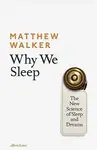
- Why We SleepMatthew Walker · 2017Community rating: 4.19 out of 5
Neuroscientist Matthew Walker lays out what decades of sleep research have found: that too little sleep damages memory, mood, the immune system and long-term disease risk in specific, measurable ways. He explains how deep sleep consolidates memories and clears toxic waste from the brain, how REM sleep processes emotion, and what caffeine and alcohol actually do to both. The book closes with concrete steps for sleeping better.
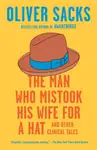
- The Man Who Mistook His Wife for a HatOliver Sacks · 1985Community rating: 4.02 out of 5
A music teacher cannot recognise a glove and mistakes his wife's head for his hat. Oliver Sacks recounts 24 neurological cases, from a sailor stuck in 1945 to twins who trade prime numbers, asking how a damaged brain adapts.
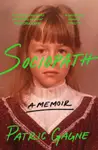
- SociopathPatric Gagne · 2024Community rating: 3.82 out of 5
Patric Gagne knew she made people uneasy before she started kindergarten. Fear, guilt and empathy did not arrive the way they seemed to for everyone else, and the absence built into a pressure she could only relieve by doing something she was not supposed to. Her account of working out what that meant, and of the doctorate she eventually wrote about it.
- coming of age
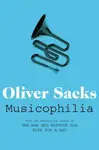
- MusicophiliaOliver Sacks · 2007Community rating: 4.03 out of 5
Oliver Sacks, a renowned neurologist, invites you into the fascinating world of music and the human brain. Through the stories of individuals with unique relationships to music, he explores its power to affect memory, emotion, and even physical capabilities. Discover how music can profoundly shape and heal our lives.
- An Unquiet MindKay Redfield Jamison · 1995Community rating: 4.28 out of 5
Kay Redfield Jamison, a renowned expert on bipolar disorder, offers a deeply personal account of her lifelong struggle with the illness. Since adolescence, she has navigated the intense emotional highs and lows, sharing how these experiences have shaped her life and her groundbreaking career. This memoir is a testament to her resilience and her drive to understand and help others facing similar challenges.
- PartialsDan Wells · 2012Partials Sequence #1Community rating: 3.58 out of 5
In a world ravaged by disease and war, humanity's future rests on the shoulders of Kira Walker, a sixteen-year-old medic-in-training. She lives on a post-apocalyptic eastern seaboard, where humans are locked in conflict with a manmade race known as Partials. Kira must navigate this dangerous landscape to find a cure and secure survival for her people.
- chosen one
- survival
- coming of age
- The Hot ZoneRichard Preston · 1994Community rating: 4.15 out of 5
Richard Preston explores the terrifying world of deadly viruses, including Ebola, tracing their origins and impact. This non-fiction account examines the science of these pathogens and the stories of those affected. It offers a chilling look at the potential for global pandemics.
- survival
- quest
- Forensics What Bugs, Burns, Prints, DNA, and More Tell Us about CrimeVal McDermid · 2014Community rating: 4.03 out of 5
Crime novelist Val McDermid investigates the real science of solving murder, from maggots on a corpse to a speck of DNA. She visits war zones, fire scenes and autopsy suites, tracing forensics from its beginnings to today.
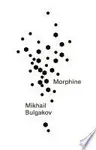
- МорфийMikhail Bulgakov · 1926Community rating: 3.65 out of 5
A young doctor arrives in a quiet country town, only to be drawn into a dark spiral of addiction and despair. When a colleague dies under mysterious circumstances, he inherits not only a practice but a dangerous secret. This story explores the devastating effects of morphine abuse and the moral compromises one man must make to survive.
- fish out of water
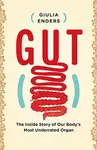
- Gut: The Inside Story of Our Body's Most Underrated OrganGiulia Enders, Jill Enders · 2014Community rating: 3.96 out of 5
Explore the surprising connection between your gut health and overall well-being, from weight to mood and skin conditions. A young medical doctor humorously advocates for the often-overlooked intestine, guiding readers through the digestive system. Discover the latest scientific research on the gut's role as our 'second brain' and learn practical steps to improve your diet and digestion.
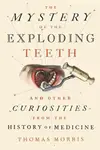
- The Mystery of the Exploding TeethThomas Morris · 2018Community rating: 3.78 out of 5
"This wryly humorous collection of stories about bizarre medical treatments and cases offers a unique portrait of Victorian medicine in all its grisly weirdness. A puzzling series of dental explosions beginning in the nineteenth century, with the most recent case in the 1960s, is just one of many strange tales that have long lain undiscovered in the pages of old medical journals. Award-winning medical historian Thomas Morris has assembled the stories thematically so readers will witness Mysterious Illnesses (such as the Rhode Island woman who peed through her nose), Horrifying Operations (1635: A hungover Dutchman swallows a knife, which is then surgically removed from his stomach), Dubious Treatments ("Take twelve young swallows out of the nest . . ."), Unfortunate Predicaments (such as that of the boy who honked like a goose after inhaling a bird's larynx), and many other marvels. Read together, these entertaining stories amount to far more than a series of anecdotes. They are worth reading for their entertainment value alone, but they also tell us a great deal about the evolution of modern medicine. Some show the medical profession hopeless in the face of ailments which today would be quickly banished by modern drugs; but others are heartening tales of recovery against the odds, patients saved from death by the devotion or ingenuity of a conscientious doctor. As a collection they allow the reader to learn about the evolution of medical expertise and to understand the rationale behind therapeutic regimes that would otherwise seem inexplicable today.However embarrassing the ailment or ludicrous the treatment, every case tells us something about the knowledge (and ignorance) of an earlier age, along with the sheer resilience of human life"--Provided by publisher.
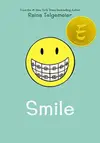
- SmileRaina Telgemeier · 2010Smile #1Community rating: 3.87 out of 5
Raina's world is turned upside down after a fall leads to a dental emergency. Even after her braces come off, she grapples with her appearance and fitting in at school. It's not until she finds a group of quirky, like-minded kids that she begins to find her place and true friendships.
- coming of age
- ComplicationsAtul Gawande, Gabriel Cereceda, Lluïsa Moreno Llort · 2002Community rating: 3.89 out of 5
In "Complications," surgeon Atul Gawande offers a candid look inside the operating room. Through true stories, he explores the inherent uncertainties and the human side of medicine. Gawande shares the challenges and successes faced by medical professionals on the front lines of surgery.
- The Butchering Art: Joseph Lister's Quest to Transform the Grisly World of Victorian MedicineLindsey Fitzharris · 2017Community rating: 3.6 out of 5
In the mid-nineteenth century, surgery was a butchering art. Operations were performed at brutal speed, without anesthesia at first and always without any understanding of infection; patients who survived the knife often died days later of "hospital gangrene" in wards that surgeons entered in blood-stiffened coats worn as badges of experience. Into this world came Joseph Lister, a thoughtful young surgeon who could not accept that so many deaths were simply the price of the trade. Lindsey Fitzharris follows Lister from the dissection rooms and operating theaters of Victorian Britain to his revolutionary embrace of Louis Pasteur's germ theory. Convinced that invisible microorganisms, not "bad air," caused post-surgical infection, Lister developed antiseptic methods, using carbolic acid and rigorous cleanliness, against the skepticism and outright hostility of his peers. The Butchering Art is a vivid work of popular history and biography that doubles as a portrait of an era. Grisly, humane, and briskly told, it charts the hard-won transformation of surgery from a gamble with death into the foundation of modern medicine.
- The Devil Wears ScrubsFreida McFadden · 2013Dr. Jane McGill #1Community rating: 3.09 out of 5
Dr. Jane McGill #1. A comic novel about a first-year medical intern surviving a month on the wards under a senior resident who seems to enjoy the cruelty.
- fish out of water