Theodor W. Adorno
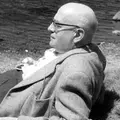
Theodor W. Adorno
11 September 1903 – 6 August 19698
Books5.0
Avg Rating1
Ratings0
FollowersAbout
German sociologist, philosopher and musicologist known for his critical theory of society
Top Genres
Also Known As
Adorno, Theodor W., 1903-1969., ADORNO, THEODOR W., 1903-1969., Theodor W. (Theodor Wiesengrund) Adorno, ADORNO, THEODOR W, Theodor W., Eine Auswahl Adorno, Adorno/Theodor W., THEODORE W. ADORNO, THEODOR W. ADORNO, Theodor W. Adorno Adorno, Theodor Ludwig Wiesengrund, Theodor W Adorno, Theodor Adorno, Theodor Wiesengrund Adorno, Adorno, Theodor W. ADORNO, Theodor W. (1903-1969) Adorno, Thedor Adorno, Adorno Th W, ADORNO, Teodor V. Adorno, W. Adorno, T. W. Adorno, Adorno theodor w., Adorno, Theodor W., T.W. Adorno, Adorno,T.W. et al., Adorno Theodor W., Adorno Theodor, Théodor W. Adorno, Théodore W. AdornoFeatured Works


Authors in the same genres


Frequently asked questions
What is Theodor W. Adorno best known for?
Theodor W. Adorno is primarily known for his contributions to critical theory as a prominent member of the Frankfurt School. His work often critiques modern society, culture, and capitalism, particularly focusing on the concept of the 'culture industry.'
Which of Theodor W. Adorno's books should a new reader start with?
For readers new to Adorno, "Minima Moralia: Reflections from Damaged Life" is often recommended as an accessible entry point, offering a collection of aphorisms and essays that touch upon many of his core philosophical ideas. "Dialectic of Enlightenment," co-authored with Max Horkheimer, is also a foundational text, though it can be more challenging.
What is the significance of the Frankfurt School in Adorno's work?
The Frankfurt School was a group of German-American scholars associated with the Institute for Social Research at the University of Frankfurt, and Adorno was a central figure. His work, alongside others like Max Horkheimer and Herbert Marcuse, developed critical theory, which analyzes and critiques society and culture by applying insights from philosophy, sociology, and psychoanalysis.