Umberto Eco
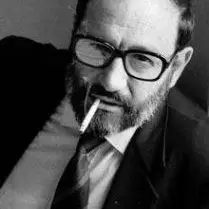
Umberto Eco
Author • Editor5 January 1932 – 19 February 2016 · From Italy- Books
- 47
- Followers
- 0
About
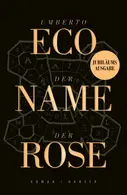
Umberto Eco (5 January 1932 – 19 February 2016) was an Italian novelist, literary critic, philosopher, semiotician, and university professor. He is widely known for his 1980 novel Il nome della rosa (The Name of the Rose), a historical mystery combining semiotics in fiction with biblical analysis, medieval studies, and literary theory.
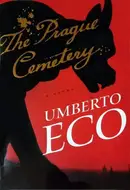
He later wrote other novels, including Il pendolo di Foucault (Foucault's Pendulum) and L'isola del giorno prima (The Island of the Day Before). His novel Il cimitero di Praga (The Prague Cemetery), released in 2010, topped the bestseller charts in Italy.
Eco also wrote academic texts, children's books, and essays, and edited and translated into Italian books from French, such as Raymond Queneau's "Exercises in Style" (1983). He was the founder of the Department of Media Studies at the University of the Republic of San Marino, president of the Graduate School for the Study of the Humanities at the University of Bologna, member of the Accademia dei Lincei, and an honorary fellow of Kellogg College, Oxford.
Top genres
Also known as
Links
Featured works
Authors in the same genres


Frequently asked questions
Umberto Eco is widely recognized for his novel "The Name of the Rose," which blends historical mystery with semiotics and medieval studies. He was also a prominent semiotician and philosopher, influencing academic discourse.
Yes, "The Name of the Rose" was adapted into a film starring Sean Connery and Christian Slater. It was also later adapted into a television miniseries.
For readers new to Umberto Eco, "The Name of the Rose" is often recommended as an accessible entry point into his fiction. His essays, such as those collected in "Travels in Hyperreality," offer insight into his non-fiction work.
Umberto Eco's fiction is characterized by its intellectual depth, intricate historical detail, and philosophical explorations. His work often incorporates elements of semiotics, intertextuality, and a playful engagement with language and ideas.