Simone de Beauvoir
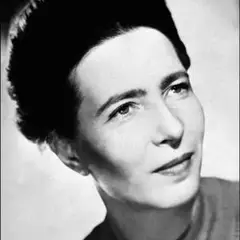
Simone de Beauvoir
9 January 1908 – 14 April 1986 · From France- Books
- 30
- Followers
- 1
About
Simone de Beauvoir (1908–1986) was a French writer and philosopher, born and died in Paris. A central figure in post-war French existentialism and the lifelong companion of Jean-Paul Sartre, she wrote novels, philosophical essays and memoirs. Her 1949 treatise Le Deuxième Sexe (The Second Sex) is a foundational work of modern feminist thought.
Her novel Les Mandarins won the Prix Goncourt in 1954. She also wrote a four-volume autobiography opening with Mémoires d'une jeune fille rangée (1958), the novels L'Invitée (1943) and Tous les hommes sont mortels (1946), and the philosophical essay Pour une morale de l'ambiguïté (1947).
Top genres
Literary Fiction Fiction Philosophy Non-Fiction Essays
Also known as
Links
Featured works





Series



Authors in the same genres


Frequently asked questions
Simone de Beauvoir is widely recognized for her philosophical contributions to existentialism and feminism, particularly her groundbreaking work, The Second Sex, which profoundly influenced feminist theory.
For readers new to Simone de Beauvoir, The Second Sex is an essential starting point to understand her core philosophical and feminist ideas. For a more personal introduction, her memoir Memoirs of a Dutiful Daughter offers insight into her early life and intellectual development.
A Very Easy Death, one of Simone de Beauvoir's memoirs, was adapted into a French film titled "Une mort très douce" in 1985.
Simone de Beauvoir's writing is characterized by its rigorous intellectual inquiry, blending philosophical analysis with personal narrative and social commentary. She often explores themes of freedom, responsibility, and the human condition through both theoretical essays and fictional works.