Pramoedya Ananta Toer
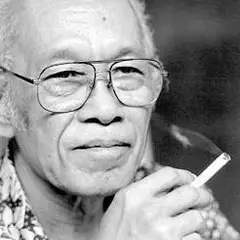
Pramoedya Ananta Toer
Author • Translator6 February 1925 – 30 April 2006 · From Indonesia- Books
- 9
- Followers
- 0
About
Pramoedya Ananta Toer was born in Blora, Java, which was part of the Dutch East Indies at the time, the son of a teacher and a rice trader. After he graduated from school, Japanese forces invaded and occupied Indonesia, and Pramoedya worked as a typist for a Japanese newspaper in Jakarta. When World War II ended, Pramoedya joined the war for Indonesian independence, and while he was stationed in Jakarta he began writing fiction as well as propaganda for the Nationalist cause. In 1947 he was captured by the Dutch forces and remained in prison until Indonesia achieved independence in 1949, the year the Netherlands recognized Indonesian independence. He wrote his first major novel, The Fugitive, while in prison.
After the war, Pramoedya continued to write fiction while living in Indonesia and travelling abroad. In the 1950s, he took a literary history teaching position at Universitas Res Publica. His fiction became increasingly more political and critical of the Indonesian government, and he was ultimately arrested by the Indonesian military and imprisoned for nine months.
In 1965 the government of Indonesia fell under a coup and the army took power. Pramoedya, who lead the communist People's Cultural Organisation, was arrested and imprisoned without trial as a political prisoner by the new government. His books were banned, his personal library, including many of his early writings, was burned, and he was forbidden to write in prison. Nevertheless he composed his most famous work, The Buru Quartet, while in the prison camp on the island of Buru, by narrating the novels to his fellow prisoners. Eventually he was able to write them down and get them published abroad. Although they are still banned in Indonesia, The Buru Quartet is considered a classic work of Indonesian fiction.
Pramoedya was released from prison in 1979, but remained under house arrest in Jakarta until 1992. He continued to write fiction, biographies, and editorials criticizing the Indonesian government. He died at the age of 81 from complications of diabetes and heart disease.
Top genres
Literary Fiction Historical Fiction Politics & Society History Fiction
Links
Featured works
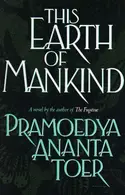
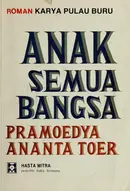
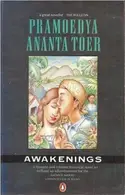

Series
Authors in the same genres


Frequently asked questions
Pramoedya Ananta Toer is widely recognized for his powerful critiques of colonialism and his exploration of Indonesian history and identity, particularly through his Buru Quartet series. His work often reflects his personal experiences with political imprisonment and censorship.
The Buru Quartet should be read in the following order: "This Earth of Mankind" (Bumi Manusia), "Child of All Nations" (Anak Semua Bangsa), "Footsteps" (Jejak Langkah), and "House of Glass" (Rumah Kaca). These novels follow the protagonist Minke through the late 19th and early 20th centuries in Indonesia.
Yes, his novel "This Earth of Mankind" (Bumi Manusia) has been adapted into a film. The movie, also titled "Bumi Manusia," was released in 2019.