Pablo Neruda
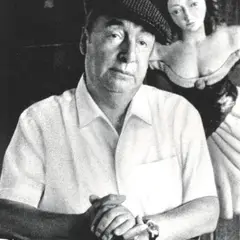
Pablo Neruda
12 July 1904 – 23 September 1973 · From Chile- Books
- 18
- Followers
- 0
About
Ricardo Eliécer Neftalí Reyes Basoalto (12 July 1904 – 23 September 1973), better known by his pen name and, later, legal name Pablo Neruda (/nəˈruːdə/; Spanish: [ˈpaβlo neˈɾuða]), was a Chilean poet-diplomat and politician who won the 1971 Nobel Prize in Literature.
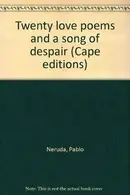
Neruda became known as a poet when he was 13 years old, and wrote in a variety of styles, including surrealist poems, historical epics, overtly political manifestos, a prose autobiography, and passionate love poems such as the ones in his collection Twenty Love Poems and a Song of Despair (1924).
Top genres
Also known as
Featured works


Authors in the same genres


Frequently asked questions
Pablo Neruda is widely celebrated for his passionate love poems, particularly those found in "Twenty Love Poems and a Song of Despair," and for his politically charged and surrealist works that often reflect his experiences as a diplomat and his commitment to social justice.
Pablo Neruda was awarded the Nobel Prize in Literature in 1971, recognizing his poetry that, with the action of an elemental force, brings alive a continent's destiny and dreams.
For new readers, "Twenty Love Poems and a Song of Despair" is often recommended as an accessible entry point into his lyrical style, while "Canto General" offers a comprehensive look at his epic and political poetry.
Pablo Neruda is a pen name adopted by Ricardo Eliécer Neftalí Reyes Basoalto, which he later made his legal name.