Nikolai Gogol
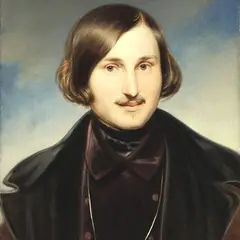
Nikolai Gogol
31 March 1809 – 4 March 1852 · From Ukraine, citizen of Russia- Books
- 35
- Followers
- 0
About
Nikolai Vasilievich Gogol (Russian: Николай Васильевич Гоголь; Ukrainian: Микола Васильович Гоголь) (31 March [O.S. 19 March] 1809 – 4 March [O.S. 21 February] 1852) was a Ukrainian-born Russian novelist, humourist, and dramatist
He is considered the father of modern Russian realism. His early works, such as Evenings on a Farm Near Dikanka, were heavily influenced by his Ukrainian upbringing and identity. His more mature writing satirised the corrupt bureaucracy of the Russian Empire, leading to his exile. On his return, he immersed himself in the Orthodox Church. The novels Taras Bul'ba (1835; 1842 [revised edition]) and Dead Souls (1842), the play The Inspector-General (1836, 1842), and the short stories Diary of a Madman, The Nose and The Overcoat (1842) are among his best known works. With their scrupulous and scathing realism, ethical criticism as well as philosophical depth, they remain some of the most important works of world literature.
Top genres
Classics Fiction Short Stories Literary Fiction Horror
Also known as
Featured works
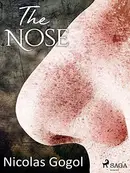
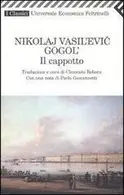
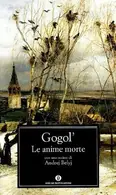
Series
Authors in the same genres


Frequently asked questions
Nikolai Gogol is widely recognized for his satirical short stories and plays, which often critique Russian society and bureaucracy. His work is considered foundational to Russian realism and often blends the grotesque with the comedic.
Several of Nikolai Gogol's works have been adapted into films, including "The Overcoat," "The Nose," and "Viy." These adaptations span various cinematic styles and countries.
For readers new to Nikolai Gogol, starting with his short stories like "The Overcoat" or "Diary of a Madman" is often recommended. These provide a good introduction to his distinctive style and themes.