John le Carré

John le Carré
19 October 1931 – 12 December 2020 · From United Kingdom, citizen of Ireland- Books
- 34
- Followers
- 0
About
David John Moore Cornwell (19 October 1931 – 12 December 2020), better known by his pen name John le Carré was a British Irish author, best known for his espionage novels, many of which were successfully adapted for film or television. A "sophisticated, morally ambiguous writer", he is considered one of the greatest novelists of the postwar era.
During the 1950s and 1960s, he worked for both the Security Service (MI5) and the Secret Intelligence Service (MI6). Near the end of his life, due to his strong disapproval of Brexit, he took out Irish citizenship, which was possible due to his having an Irish grandparent.
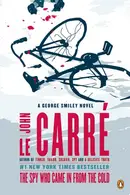
Le Carré's third novel, The Spy Who Came in from the Cold (1963), became an international best-seller, was adapted as an award-winning film, and remains one of his best-known works. This success allowed him to leave MI6 to become a full-time author.
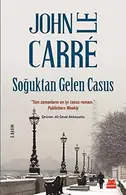
His novels which have been adapted for film or television include The Looking Glass War (1965), Tinker Tailor Soldier Spy (1974, 2011), Smiley's People (1979), The Little Drummer Girl (1983), The Night Manager (1993), The Tailor of Panama (1996), The Constant Gardener (2001), A Most Wanted Man (2008) and Our Kind of Traitor (2010).
Philip Roth said that A Perfect Spy (1986) was "the best English novel since the war".
Top genres
Thriller Fiction Espionage Spy Literary Fiction
Also known as
Links
Featured works


Series


Authors in the same genres


M


Frequently asked questions
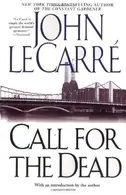
The George Smiley series is best read in publication order to follow the character's development and the overarching narrative. The core books are "Call for the Dead," "A Murder of Quality," "The Spy Who Came in from the Cold," "The Looking Glass War," "Tinker Tailor Soldier Spy," "The Honourable Schoolboy," and "Smiley's People."
Many of John le Carré's novels have been adapted into acclaimed films and television series. Notable adaptations include "The Spy Who Came in from the Cold," "Tinker Tailor Soldier Spy," "The Constant Gardener," and "The Night Manager."
John le Carré is known for his realistic and morally complex portrayal of espionage, often focusing on the psychological toll and bureaucratic machinations rather than glamorous action. His work frequently explores themes of betrayal, disillusionment, and the ambiguity of good and evil within the intelligence world.