Graham Greene
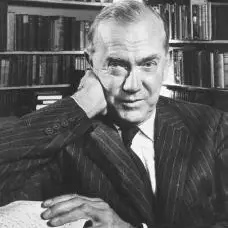
Graham Greene
2 October 1904 – 3 April 1991 · From United Kingdom- Books
- 31
- Followers
- 0
About
Henry Graham Greene (2 October 1904 – 3 April 1991) was an English novelist, short-story writer, playwright and journalist, widely regarded as one of the major British writers of the twentieth century. Born in Berkhamsted, Hertfordshire, and educated at Balliol College, Oxford, he converted to Roman Catholicism in 1926 and worked as a copy editor on The Times before becoming film critic and literary editor of The Spectator. During the Second World War he served with the Foreign Office in Freetown, Sierra Leone.
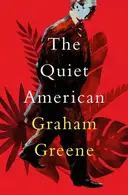
His fiction sets moral and religious ambiguity against sharply observed political settings, and he moved between literary novels and the tauter thrillers he called "entertainments". Among his best-known books are The Man Within, Stamboul Train, Brighton Rock, The Power and the Glory, The Heart of the Matter, The End of the Affair, The Quiet American, Our Man in Havana, A Burnt-Out Case and The Comedians. He wrote for the screen as well, collaborating with the director Carol Reed on The Fallen Idol and The Third Man.
Greene was appointed a Companion of Honour in 1966 and admitted to the Order of Merit in 1986. He was nominated for the Nobel Prize in Literature from 1950 onwards and reached the final shortlist several times, but never received it. He left Britain in 1966 for Antibes and spent his last years in Switzerland, where he died in 1991.
Top genres
Fiction Literary Fiction Classics Crime Thriller
Also known as
Links
Featured works


Series
Authors in the same genres


Frequently asked questions
Graham Greene was appointed a Companion of Honour in 1966 and was admitted to the Order of Merit in 1986 — two of the highest distinctions available to a British writer, the latter in the personal gift of the sovereign and limited to 24 living members at any one time. Earlier in his career The Power and the Glory won the 1941 Hawthornden Prize and The Heart of the Matter won the 1948 James Tait Black Memorial Prize. He was nominated for the Nobel Prize in Literature from 1950 onwards and reached the final shortlist on several occasions, but never received it.