Federico García Lorca

Federico García Lorca
5 June 1898 – August 1936 · From Spain- Books
- 17
- Followers
- 0
About
Federico García Lorca (Fuente Vaqueros, Granada, 5 June 1898 - camino de Víznar a Alfacar, Granada, 18 August 1936) was a Spanish poet, playwright, and theatre director. He achieved international recognition as an emblematic member of the Generation of '27, a group consisting of mostly poets who introduced the tenets of European movements (such as symbolism, futurism, and surrealism) into Spanish literature. He was killed by Nationalist forces at the beginning of the Spanish Civil War. His remains have never been found.
Lorca universe is defined by a palpable systematism: poetry, drama and prose feed on obsessions - love, desire, sterility - and constant stylistic keys. The variety of shapes and tones never threatens that unity whose central issue is frustration.
Top genres
Classics Drama Poetry Education Plays
Also known as
Featured works
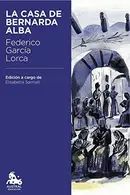
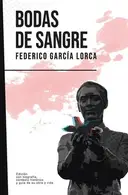

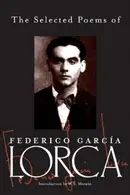
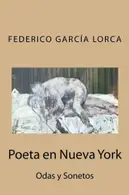
Series


Authors in the same genres


Frequently asked questions
Federico García Lorca is widely celebrated for his poetic dramas, particularly a trilogy of rural tragedies that explore themes of passion, fate, and societal repression. His work often incorporates elements of Spanish folklore and Cante Jondo.
Several of Federico García Lorca's plays have been adapted into films, including notable versions of "Blood Wedding" and "The House of Bernarda Alba." These adaptations often capture the intense emotional and symbolic nature of his original works.
Federico García Lorca was a prominent member of the Generation of '27, a group of Spanish poets and writers who emerged in the 1920s. This group sought to integrate traditional Spanish literary forms with avant-garde European movements like surrealism, profoundly influencing his distinctive style.