Euripides
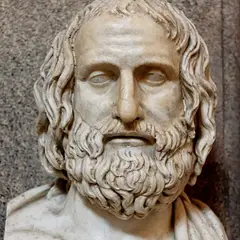
Euripides
480 BCE – 406 BCE- Books
- 21
- Followers
- 0
About
Euripides was the last of the three great tragedians of classical Athens (the other two being Aeschylus and Sophocles). Ancient scholars thought that Euripides had written ninety-five plays, although four of those were probably written by Critias. Eighteen or nineteen of Euripides' plays have survived complete.
There has been debate about his authorship of Rhesus, largely on stylistic grounds and ignoring classical evidence that the play was his. Fragments, some substantial, of most of the other plays also survive. More of his plays have survived than those of Aeschylus and Sophocles together, because of the unique nature of the Euripidean manuscript tradition.
Top genres
Drama Classics Plays Mythology Poetry
Also known as
Featured works




Series

Authors in the same genres


Frequently asked questions
Euripides is renowned for his innovative approach to Greek tragedy, often exploring the psychological states of his characters and challenging traditional heroic ideals. He is particularly noted for his portrayal of strong female characters and his use of deus ex machina.
Among his most influential works are "Medea," which explores themes of revenge and passion, and "The Bacchae," a powerful examination of religious ecstasy and its dangers. "Hippolytus" is also highly regarded for its complex characters and moral dilemmas.
Euripides often introduced more realistic dialogue and situations into his plays, moving away from the grander, more formal style of Aeschylus and Sophocles. He frequently questioned societal norms and divine justice, making his works feel more modern and psychologically nuanced.