Eugene O'Neill
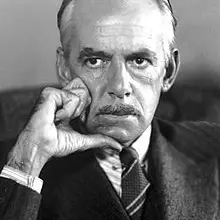
Eugene O'Neill
16 October 1888 – 27 November 1953- Books
- 7
- Followers
- 0
About
Eugene O'Neill was an American playwright, and Nobel laureate in Literature. His plays are among the first to introduce into American drama the techniques of realism, associated with Russian playwright Anton Chekhov, Norwegian playwright Henrik Ibsen, and Swedish playwright August Strindberg.
His plays were among the first to include speeches in American vernacular and involve characters on the fringes of society, engaging in depraved behavior, where they struggle to maintain their hopes and aspirations, but ultimately slide into disillusionment and despair. O'Neill wrote only one well-known comedy (Ah, Wilderness!).
Nearly all of his other plays involve some degree of tragedy and personal pessimism.
Top genres
Also known as
Featured works

Long day's journey into night
Eugene O'Neill

The Britannica Library of Great American Writing - Volume II
Ambrose Bierce
Prentice Hall Literature--Timeless Voices, Timeless Themes--The American Experience
Abigail Adams
Poetry

The Provincetown Plays
Eugene O'Neill
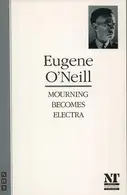
Mourning Becomes Electra
Eugene O'Neill
Authors in the same genres


Frequently asked questions
Eugene O'Neill is widely recognized for his significant contributions to American drama, particularly for introducing realism and psychological depth to the stage. He is celebrated for plays that explore the darker aspects of human nature and the struggles of marginalized characters.
Many of Eugene O'Neill's plays have been adapted into films. Notable adaptations include "Long Day's Journey Into Night," "Desire Under the Elms," and "The Iceman Cometh."
Eugene O'Neill was awarded the Nobel Prize in Literature in 1936 for his dramatic works. He also received four Pulitzer Prizes for Drama during his career.
For readers new to Eugene O'Neill, "Long Day's Journey Into Night" is often recommended as an excellent starting point, showcasing his characteristic themes and dramatic style. "The Iceman Cometh" is another strong introduction to his work.