Skip to content

The Alhambra

Pages
192
Published
1832
Language
English

Synopsis

Washington Irving's "The Alhambra" offers a collection of tales inspired by the magnificent palace complex in Granada, Spain. These stories, drawn from the region's rich history and folklore, bring to life the legends and social customs of the last Islamic rulers. It's a journey into a world of enchantment and history.

About the author

W
Washington Irving

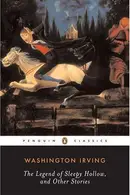
American author, essayist, biographer and historian of the early 19th century. He was best known for his short stories "The Legend of Sleepy Hollow" and "Rip Van Winkle", both of which appear in his book "The Sketch Book of Geoffrey Crayon, Gent" (Wikipedia).

Frequently asked questions

  • Is The Alhambra a collection of short stories or a novel?

    The Alhambra is a collection of essays, sketches, and tales, rather than a single continuous novel. It blends historical accounts, local legends, and personal observations from Washington Irving's time living in the Alhambra palace.

  • How does The Alhambra relate to Washington Irving's other works?

    The Alhambra shares a similar narrative style and interest in folklore and historical settings with Irving's more famous works like "Rip Van Winkle" and "The Legend of Sleepy Hollow." It showcases his talent for romanticizing history and weaving together diverse narrative threads.

  • Is The Alhambra based on real history?

    The book is deeply rooted in the real history and architecture of the Alhambra palace in Granada, Spain, and the historical context of the Nasrid dynasty. Irving conducted extensive research and lived within the palace walls, incorporating genuine historical details and local legends into his narratives.