Skip to content

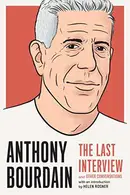
Kurt Vonnegut: The Last Interview

And Other Conversations
Pages
176
Published
2011
Language
English

Synopsis

One of the great American iconoclasts holds forth on politics, war, books and writers, and his personal life in a series of conversations—including his last published interview. During his long career Kurt Vonnegut won international praise for his novels, plays, and essays. In this new anthology of conversations with Vonnegut—which collects interviews from throughout his career—we learn much about what drove Vonnegut to write and how he viewed his work at the end.From Kurt Vonnegut's Last InterviewIs there another book in you, by chance?No. Look, I’m 84 years old. Writers of fiction have usually done their best work by the time they’re 45. Chess masters are through when they’re 35, and so are baseball players. There are plenty of other people writing. Let them do it.So what’s the old man’s game, then?My country is in ruins. So I’m a fish in a poisoned fishbowl. I’m mostly just heartsick about this. There should have been hope. This should have been a great country. But we are despised all over the world now. I was hoping to build a country and add to its literature. That’s why I served in World War II, and that’s why I wrote books.When someone reads one of your books, what would you like them to take from the experience?Well, I’d like the guy—or the girl, of course—to put the book down and think, “This is the greatest man who ever lived.”
About the author

K
Kurt Vonnegut

Kurt Vonnegut, Jr. was an American novelist who wrote works blending satire, black comedy, and science fiction, such as [Slaughterhouse-Five (1969)][1], [Cat's Cradle (1963)][2], and [Breakfast of Champions (1973)][3]. He was known for his humanist beliefs as well as being honorary president of the American Humanist Association. He is widely considered one of the most influential American writers of the 20th century. [1]: https://openlibrary.org/works/OL98474W/Slaughterhouse-Five...

Frequently asked questions

  • What makes this collection of interviews unique compared to other Vonnegut retrospectives?

    This book compiles some of Kurt Vonnegut's final interviews, offering a reflective and often poignant look back at his life, career, and recurring themes through his own words as he approached the end of his life. It provides a distinct perspective on his body of work, different from earlier interviews or critical analyses.

  • Does this book contain new or previously unpublished material?

    The collection features interviews conducted in the last years of Vonnegut's life, some of which were previously published in various magazines and journals, while others were less widely circulated. It brings together these conversations into a single volume, making them more accessible to readers.