Greg GrandinNon-Fiction · Politics & Society·b. 1962
Kissinger's shadow
"A new account of America's most controversial diplomat that moves beyond praise or condemnation to reveal Kissinger as the architect of America's current imperial stance."--Provided by publisher.
Grandin's work distinguishes itself by focusing on Kissinger's long-term influence on American foreign policy, rather than just recounting his diplomatic career. It argues that Kissinger laid the groundwork for a specific type of imperial approach that continues to shape global relations. The book is less a chronological biography and more an analytical examination of his legacy.
While the book delves into complex historical and political analysis, Grandin writes in an accessible style that helps ground the reader in the context of Kissinger's actions. Readers without extensive prior knowledge of the period will still find the arguments clear and well-supported. It serves as a strong introduction to the critical examination of post-WWII American foreign policy.
Kissinger's Shadow continues Grandin's broader scholarly interest in American power, interventionism, and its historical impact on Latin America and other regions. It builds on themes explored in his previous books, such as Empire's Workshop, by examining the intellectual and political architects behind these policies. Readers familiar with his other works will recognize his critical perspective on U.S. foreign relations.
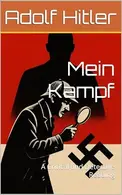
Mein Kampf
Adolf Hitler
Narrative non-fiction
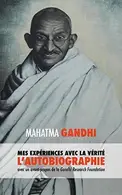
An autobiography
Mohandas Karamchand Gandhi

Eichmann in Jerusalem
Hannah Arendt
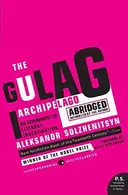
The Gulag Archipelago
Aleksandr Solzhenitsyn
Narrative non-fiction
The Gulag Archipelago 1918-1956
Freedom in Exile
His Holiness Tenzin Gyatso the XIV Dalai Lama
Narrative non-fiction

Autobiography
John Stuart Mill

Karl Marx
Franz Mehring
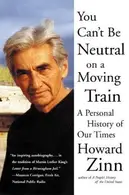
You can't be neutral on a moving train
David Strathairn
America in the King Years
Eyes on the Street
Robert Kanigel
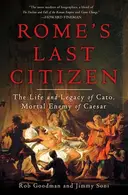
Rome's Last Citizen
Jimmy Soni