D
Daniel QuinnNon-Fiction · Philosophy
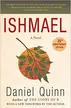
Ishmael
A newspaper ad asks for a pupil with a sincere wish to save the world, and promises a teacher in return. The narrator, who is never named, distrusts it. His own brush with the idealism of the 1960s left him disillusioned. He answers the ad anyway and finds the teacher is Ishmael, a gorilla who communicates by telepathy.
Ishmael was taken from the wild decades ago. He later learned to converse with the family of a zoo owner, and over the years he has built a philosophy of human civilization. Now he wants a student who can carry it on.
The book is a philosophical novel told almost entirely as Socratic dialogue. Ishmael questions the narrator and draws him step by step toward a new way of seeing human history. He sorts people into two groups. Takers are the dominant culture, which believes it is meant to rule and keep expanding. Leavers are tribal peoples who live within natural limits.
With that framework, the novel attacks agriculture, the idea of progress, and the myths a civilization tells to justify consuming the world it depends on. Expect a book of ideas rather than action: a two-person conversation, patient in pace, argumentative in tone, and built around one teacher's case against the way most of us live.