


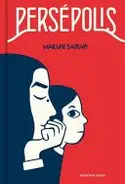

Marjane SatrapiGraphic Novels · Politics & Society·b. 1969
Persepolis
Marjane Satrapi's graphic memoir series, "Persepolis," offers a personal look at growing up during the Iranian Revolution. It explores themes of identity, resilience, and political upheaval through a child's eyes, blending humor with the harsh realities of war and societal change.
An animated film adaptation of Persepolis was released in 2007, co-directed by Marjane Satrapi herself. It covers the events of the first two graphic novels.
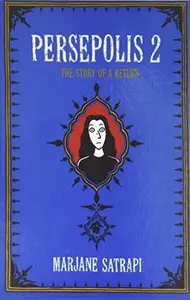
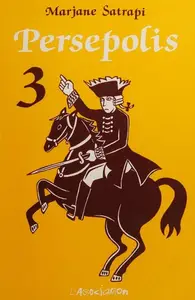
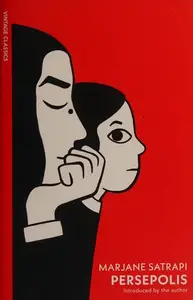
The series is best read in the order of its original publication: Persepolis 1, followed by Persepolis 2, 3, and 4. These are often collected into two volumes, or a single complete edition.
While told from a child's perspective, the series deals with mature themes of war, political oppression, and personal identity, making it more appropriate for young adult and adult readers.
Persepolis is Satrapi's most well-known work and established her distinctive graphic memoir style. Her subsequent books, such as "Chicken with Plums" and "Embroideries," continue to explore Iranian culture and personal history, often with similar artistic and narrative approaches.
The Persepolis series is typically presented in four volumes: Persepolis 1, Persepolis 2, Persepolis 3, and Persepolis 4. These are often collected into two larger books or a single complete edition.
Yes, Persepolis is a graphic memoir series. It tells the story of Marjane Satrapi's life in multiple volumes.
Persepolis has faced challenges and bans in some educational settings due to its graphic content. Reasons cited include depictions of torture, violence, and sexually explicit material, as well as its political and religious themes.