Books from Greece
Books from Greece
Based on Seekquel member reading activity. Updated weekly.
- Zorba the GreekNikos Kazantzakis · 1946Community rating: 3.75 out of 5
An intellectual young writer travels to Crete, seeking to escape his books and find a new path. There, he encounters the enigmatic Alexis Zorba, a larger-than-life character who embodies a zest for living. Through a series of adventures and profound conversations, Zorba challenges the narrator's worldview, teaching him to embrace life's joys and sorrows to their fullest.
- mentor figure
- quest
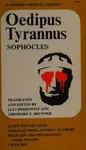
- Oedipus TyrannusSophocles · 429 BCEThe Theban Plays #1Community rating: 4.25 out of 5
A king's desperate search for the truth behind a plague consuming his city leads him down a dark path of self-discovery. As he uncovers a terrible prophecy, he must confront a fate he never imagined. This classic Greek tragedy explores the devastating consequences of fate and free will.
- tragic hero
- betrayal
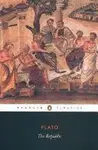
- The RepublicPlato, Sir Henry Desmond Pritchard Lee · 375 BCEPlato's Dialogues #4Community rating: 4.5 out of 5
Written around 375 BCE, Plato's Republic is one of the founding texts of Western philosophy: a wide-ranging Socratic dialogue that begins with a deceptively simple question — what is justice? — and expands into an inquiry touching almost every branch of philosophy. To examine justice in the individual soul, Socrates and his interlocutors construct an imaginary ideal city, the Kallipolis, and in doing so consider education, politics, art, gender, family, and the nature of knowledge itself. Along the way the dialogue develops some of the most influential ideas in intellectual history: the tripartite division of the soul, the theory of the Forms, the notorious proposal that philosophers should rule as kings, and the Allegory of the Cave — Plato's image of prisoners mistaking shadows for reality, and of the painful ascent toward true understanding. At once a work of political theory, ethics, metaphysics, and epistemology, The Republic has been argued with, taught, and reinterpreted for nearly two and a half thousand years. It remains a demanding but foundational encounter with the questions of how we should live and how a society should be ordered.
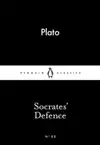
- Apology of SocratesPlato · 399 BCELittle Black ClassicsCommunity rating: 4.5 out of 5
This work presents Socrates' final defense speech, a pivotal moment in ancient philosophy. It captures the essence of Plato's revered mentor as he faces charges from the Athenian state. Part historical record, part philosophical treatise, this text explores themes of justice, truth, and intellectual integrity.
- mentor figure
- AgamemnonAeschylus · 458 BCEOresteia #1Community rating: 3.5 out of 5
This ancient Greek tragedy by Aeschylus tells the story of Agamemnon, King of Argos, and his return from the Trojan War. His wife, Clytemnestra, has been waiting for him, but her welcome is far from warm. The play explores themes of justice, vengeance, and the cycle of violence that plagues the House of Atreus.
- revenge
- betrayal
- sacrifice
- The Greek passionNikos Kazantzakis · 1970Community rating: 5 out of 5
The inhabitants of a Greek village, ruled by the Turks, plan to enact the life of Christ in a mystery play but are overwhelmed by their task. A group of refugees, fleeing from the ruins of their plundered homes, arrive asking for protection - and suddenly the drama of the Passion becomes reality.
- AntigoneSophocles · 441 BCEThe Theban Plays #3Community rating: 4 out of 5
Sophocles' timeless play, Antigone, explores profound questions about human conflict, the influence of the divine, and the extent to which individuals shape their own fate. This new translation aims to be both true to the original Greek text and compelling in its poetic expression. It continues to resonate as a foundational work in Western thought on tragedy and moral dilemmas.
- sacrifice
- betrayal
- family saga
- The Oresteian TrilogyAeschylus · 458 BCECommunity rating: 4 out of 5
Agamemnon returns to Argos from Troy and is murdered by his wife. Their son Orestes avenges him and is hunted by the Furies, until Athene sets a court of civil justice in place of revenge.
- revenge
- betrayal
- morally grey
- Nicomachean EthicsAristotle · 340 BCE
Aristotle's foundational treatise on virtue ethics: defining eudaimonia (flourishing) through habituated virtuous action, moderation (the golden mean), and the role of practical wisdom (phronesis). It is a work of ancient Greek philosophy, not fiction or narrative, so no tropes apply; it contains no plot to warrant content warnings.
- The Ethics of AristotleAristotle