William Hope Hodgson
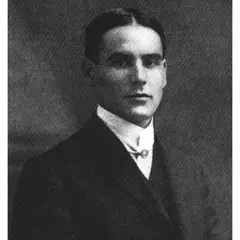
William Hope Hodgson
15 November 1877 – 19 April 1918- Books
- 33
- Followers
- 0
About
William Hope Hodgson (15 November 1877 – 19 April 1918) was an English author. He produced a large body of work, consisting of essays, short fiction, and novels, spanning several overlapping genres including horror, fantastic fiction, and science fiction.
Hodgson used his experiences at sea to lend authentic detail to his short horror stories, many of which are set on the ocean, including his series of linked tales forming the "Sargasso Sea Stories".
His novels, such as The House on the Borderland (1908) and The Night Land (1912), feature more cosmic themes, but several of his novels also focus on horrors associated with the sea. Early in his writing career Hodgson dedicated effort to poetry, although few of his poems were published during his lifetime.
He also attracted some notice as a photographer and achieved renown as a bodybuilder. He died in World War I at age 40.
Top genres
Horror Fiction Short Stories Fantasy Classics
Also known as
Featured works
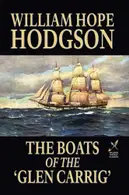
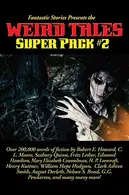
Series
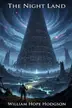

Authors in the same genres


Frequently asked questions
William Hope Hodgson is primarily recognized for his contributions to early 20th-century weird fiction and horror, particularly his cosmic horror novels and sea stories. His work often explores themes of cosmic dread and the vast, indifferent universe.
While his work has influenced many authors and artists, direct film or television adaptations of William Hope Hodgson's novels or short stories are not widely known or prominent. His unique style and themes have proven challenging to translate directly to screen.
For readers new to William Hope Hodgson, "The House on the Borderland" is often recommended as an excellent introduction to his unique blend of horror, fantasy, and cosmic themes. It showcases his distinctive style and imaginative scope.
Hodgson's writing is distinctive for its blend of nautical horror, cosmic dread, and a sense of profound isolation. He often uses archaic language and creates oppressive atmospheres, particularly in his longer works like "The Night Land," which features a unique, dreamlike prose style.