Miguel de Unamuno
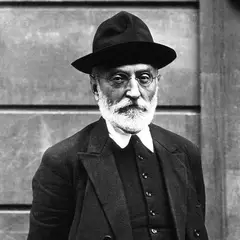
Miguel de Unamuno
1864-09-29 – 1936-12-31 · From Spain- Books
- 10
- Followers
- 0
About
Miguel de Unamuno y Jugo (Bilbao, 29 de septiembre de 1864 - Salamanca, 31 de diciembre de 1936) fue un escritor y filósofo español perteneciente a la generación del 98. En su obra cultivó gran variedad de géneros literarios, incluyendo novela, ensayo, teatro y poesía. Rector de la Universidad de Salamanca a lo largo de tres periodos, también fue diputado de las Cortes constituyentes de la Segunda República, de la que se fue distanciando hasta el punto de secundar la sublevación militar que dio inicio a la guerra civil, algo de lo que se arrepintió después públicamente.
Unamuno fue uno de los primeros existencialistas, preocupado por la tensión entre el intelecto y la emoción, la fe y la razón. Su principal ensayo filosófico fue Del sentimiento trágico de la vida (1912), y entre sus novelas más famosas se encuentran Niebla (1914), Abel Sánchez (1917), o La tía Tula (1921).
----------
Miguel de Unamuno y Jugo (Bilbao, September 29, 1864-Salamanca, December 31, 1936) was a Spanish writer and philosopher belonging to the generation of '98. In his work he cultivated a wide variety of literary genres, including novel, essay, theater and poetry. Rector of the University of Salamanca for three periods, he was also a deputy of the Constituent Courts of the Second Republic, from which he distanced himself to the point of supporting the military uprising that started the civil war, something of which who later publicly repented.
Unamuno was one of the first existentialists, concerned with the tension between intellect and emotion, faith and reason. His main philosophical essay was Del sentimiento trágico de la vida (1912), and his most famous novels, Niebla (1914), Abel Sánchez (1917), and La tía Tula (1921).
Top genres
Also known as
Featured works
Authors in the same genres


Frequently asked questions
Miguel de Unamuno is widely recognized as a central figure of the Generation of '98, a group of Spanish writers, philosophers, and artists who were deeply affected by Spain's loss in the Spanish-American War and sought to renew Spanish culture and identity. His philosophical essays and novels often explore themes of faith, reason, immortality, and the nature of existence.
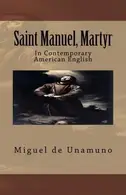
For readers new to Unamuno, "San Manuel Bueno, mártir" is often recommended as an accessible entry point. This novella concisely encapsulates many of his core philosophical concerns regarding faith, doubt, and the human condition.
Unamuno's writing is characterized by its intense intellectual and emotional depth, often blurring the lines between fiction, philosophy, and autobiography. He frequently employed a direct, almost conversational tone, engaging the reader in profound existential dialogues.