Julio Cortázar
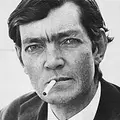
Julio Cortázar
26 August 1914 – 12 February 1984 · Citizen of Argentina29
Books4.0
Avg Rating5
Ratings0
FollowersAbout
Julio Florencio Cortázar (Ixelles, 26 de agosto de 1914-París, 12 de febrero de 1984) fue un escritor, poeta y profesor argentino. También trabajó como traductor, oficio que desempeñó para la Unesco y varias editoriales. En 1981, sin renunciar a su nacionalidad argentina, optó por la francesa en pro…
Top Genres
Literary Fiction Fiction Classics Magical Realism Essays
Also Known As
Julio Cortazar, Jules CORTAZAR, JULIO CORTAZAR, Julio CORTAZAR, CORTAZAR JULIO, Cortazar Julio, Cortazar, CORTAZAR, Cortazar Juli, julio cortazar, Julio Cortázar, Júlio Cortázar, Jules Florencio Cortázar, Júlio Cortázar, J. CortázarFeatured Works


Authors in the same genres


Frequently asked questions
What is Julio Cortázar best known for?
Julio Cortázar is widely recognized as a key figure in the Latin American Boom, celebrated for his experimental narrative techniques and his contributions to magical realism. He is particularly acclaimed for his short stories, which often blend the fantastic with the everyday.
Which Julio Cortázar book should I read first?
For readers new to Cortázar, "Hopscotch" is often recommended as a seminal work that showcases his innovative style and non-linear narrative. Alternatively, his collections of short stories, such as "Blow-Up and Other Stories," provide an excellent introduction to his unique blend of the surreal and the mundane.
Are there any film adaptations of Julio Cortázar's work?
Several of Julio Cortázar's works have been adapted into films, most notably Michelangelo Antonioni's "Blow-Up," which is based on Cortázar's short story "Las babas del diablo." Jean-Luc Godard's "Weekend" also draws inspiration from his short story "La autopista del sur."
What is unique about Julio Cortázar's writing style?
Cortázar's writing is characterized by its playful approach to language, its exploration of identity and reality, and its frequent use of non-linear structures and multiple perspectives. He often challenges traditional narrative conventions, inviting readers to actively participate in the construction of meaning.