J. D. Salinger
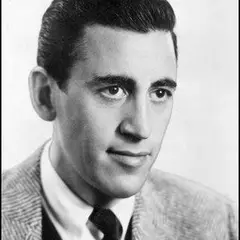
J. D. Salinger
Author • Translator1 January 1919 – 27 January 2010 · From United States- Books
- 10
- Followers
- 0
About
Jerome David Salinger (January 1, 1919 – January 27, 2010) was an American author best known for his 1951 novel The Catcher in the Rye. Salinger published several short stories in Story magazine in 1940, before serving in World War II.
In 1948, his critically acclaimed story A Perfect Day for Bananafish appeared in The New Yorker, which published much of his later work. The Catcher in the Rye was an immediate popular success; Salinger's depiction of adolescent alienation and loss of innocence was influential, especially among adolescent readers.
The novel was widely read and controversial, and its success led to public attention and scrutiny. Salinger became reclusive, publishing less frequently.
He followed Catcher with a short story collection, Nine Stories (1953); Franny and Zooey (1961), a volume containing a novella and a short story; and a volume containing two novellas, Raise High the Roof Beam, Carpenters and Seymour: An Introduction (1963). Salinger's last published work, the novella Hapworth 16, 1924, appeared in The New Yorker on June 19, 1965.
Top genres
Classics Literary Fiction Contemporary Literature Fiction Short Stories
Also known as
Links
Featured works
Start here3.5
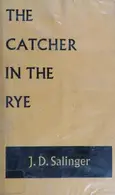
The Catcher in the Rye
J. D. Salinger

3.5
Franny and Zooey
J. D. Salinger
4.0
Franny ve Zooey
J. D. Salinger

Stories from the New Yorker, 1950-1960
Daniel Fuchs
Stories from the New Yorker #2
The catcher in the rye; Rise high the roof beam, carpenters; Seymour; Franny and Zooey, and Nine stories
J. D. Salinger
Series
Authors in the same genres


Frequently asked questions
J. D. Salinger is most widely recognized for his novel "The Catcher in the Rye," which became a seminal work in American literature, particularly for its portrayal of adolescent angst and alienation.
J. D. Salinger famously resisted adaptations of his work, and as a result, there are no authorized film or television adaptations of his major novels or short stories.
Salinger's writing is characterized by its distinctive narrative voice, often employing stream-of-consciousness and a focus on the inner lives and psychological states of his characters, particularly the Glass family in many of his short stories and novellas.