Claude McKay
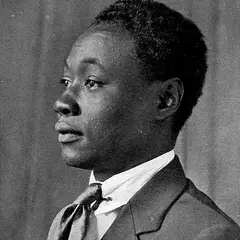
Claude McKay
1890 – 1948- Books
- 12
- Followers
- 0
About
Festus Claudius McKay (September 15, 1890 – May 22, 1948) was a Jamaican-American writer and poet, and a central figure in the Harlem Renaissance.
Born in Jamaica, McKay first traveled to the United States to attend college, and encountered W.E.B. Du Bois’s The Souls of Black Folk which stimulated McKay’s interest in political involvement. He moved to New York City in 1914 and in 1919 wrote "If We Must Die", one of his best known works, a widely reprinted sonnet responding to the wave of white-on-black race riots and lynchings following the conclusion of the First World War.
Top genres
Literary Fiction Poetry Essays History Classics
Also known as
Featured works
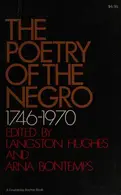
Start here
The poetry of the Negro, 1746-1970
A. B. Magil
Poetry

The United States in Literature -- The Glass Menagerie Edition
Abraham Lincoln
Poetry

The United States in Literature -- All My Sons Edition
Abraham Lincoln
Poetry
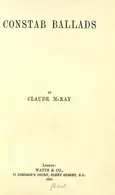
Constab ballads
Claude McKay
Poetry

Prentice Hall Literature--Timeless Voices, Timeless Themes--The American Experience
Abigail Adams
Poetry
Series

Authors in the same genres


Frequently asked questions
Claude McKay is widely recognized as a pivotal figure in the Harlem Renaissance, celebrated for his poetry that often explored themes of racial identity, social injustice, and the Black experience in America and beyond. His sonnet "If We Must Die" is particularly famous for its powerful response to racial violence.
For readers new to Claude McKay, starting with his poetry collections like "Harlem Shadows" or "Selected Poems" offers a comprehensive introduction to his lyrical style and thematic concerns. His novel "Home to Harlem" also provides a vivid portrayal of Black life during the Harlem Renaissance.
Claude McKay published all of his major works under his given name, Claude McKay. He did not use any known pseudonyms for his published writings.