Kenneth GrahameFiction · Children's Books·1859–1932
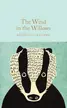
The Wind in the Willows
The Wind in the Willows (German: Der Wind in den Weiden), first published by Kenneth Grahame in 1908, is one of the best-loved works of English children's literature. It began as bedtime stories the author told his young son and grew into a gentle pastoral fantasy about a group of anthropomorphic animals living along an English riverbank.
Mole, tired of spring cleaning, abandons his burrow and is introduced by the good-natured Water Rat to the pleasures of boating and riverside life.
Together they meet the reclusive but kindly Badger, who lives deep in the Wild Wood, and Toad of Toad Hall, whose reckless enthusiasms — first for horse-drawn caravans, then motor cars — repeatedly land him in trouble.
When Toad's obsessions finally cost him his freedom and his ancestral home is seized by the sly weasels and stoats of the Wild Wood, his friends band together to win it back.
Alternating between cosy scenes of hospitality and friendship and passages of genuine adventure and melancholy, the novel is celebrated for its evocative descriptions of the English countryside and its warm portrayal of loyalty between unlikely friends.