Harper LeeClassics · Historical Fiction·1926–2016
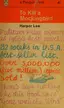
To Kill a Mockingbird
Set in the sleepy Alabama town of Maycomb during the Great Depression, Harper Lee's Pulitzer Prize-winning novel is narrated by Jean Louise "Scout" Finch, looking back on the summers of her childhood. Scout, her brother Jem, and their friend Dill spend their days daring one another toward the shuttered house of the reclusive "Boo" Radley, spinning the neighborhood's fears into games.
Their small world widens when Scout's father, the principled lawyer Atticus Finch, is appointed to defend Tom Robinson, a Black man falsely accused of raping a white woman. As the trial grips the town and exposes the bigotry beneath its surface, Scout and Jem come face to face with cruelty, courage, and the gap between what people say and what is just.
A cornerstone of American literature, To Kill a Mockingbird is a tender, clear-eyed story about childhood, conscience, and racial injustice — told with warmth, humor, and moral weight that have kept it in classrooms and hearts for generations.