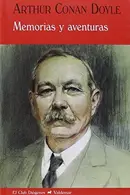
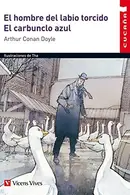
Sir Arthur Ignatius Conan Doyle KStJ, DL (22 May 1859 – 7 July 1930) was a Scottish writer and physician, most noted for creating the fictional detective Sherlock Holmes and writing stories about him which are generally considered milestones in the field of crime fiction.
He is also known for writing the fictional adventures of a second character he invented, Professor Challenger, and for popularising the mystery of the Mary Celeste. He was a prolific writer whose other works include fantasy an...
Edgar Allan Poe was an American writer, poet, editor and literary critic, considered part of the American Romantic Movement. Best known for his tales of mystery and the macabre, Poe was one of the earliest American practitioners of the short story and is considered the inventor of the detective-fiction genre. He is further credited with contributing to the emerging genre of science fiction.[1] He was the first well-known American writer to try to earn a living through writing alone, resulting in...
Jacques Futrelle was a master of classic mystery. He's best known for his "Great Classic Mysteries" series, which showcases his clever plotting and memorable characters. If you enjoy a good old-fashioned puzzle, Futrelle's work is a must-read.
Gilbert Keith Chesterton was an English writer, lay theologian, poet, philosopher, dramatist, journalist, orator, literary and art critic, biographer, and Christian apologist.
William Wilkie Collins (8 January 1824 – 23 September 1889) was an English novelist, playwright and short story writer best known for The Woman in White (1859) and The Moonstone (1868). The last has been called the first modern English detective novel. Born to the family of a painter, William Collins, in London, he grew up in Italy and France, learning French and Italian. He began work as a clerk for a tea merchant. After his first novel, Antonina, appeared in 1850, he met Charles Dickens, w...