Rumi (Jalāl ad-Dīn Muḥammad Balkhī)
Rumi (Jalāl ad-Dīn Muḥammad Balkhī)
30 September 1207 – 17 December 1273- Books
- 10
- Followers
- 0
About
Jalāl ad-Dīn Muḥammad Balkhī was a 13th-century Persian poet, jurist, theologian, and Sufi mystic. Rūmī is a descriptive name meaning "the Roman" since he lived most of his life in an area called Rūm because it was once ruled by the Byzantine Empire.
Top genres
Poetry Philosophy & Religion Islam Spirituality Religion
Also known as
Links
Featured works

Series

Authors in the same genres

K

C
J
R
M


Frequently asked questions
Rumi is most celebrated for his extensive collection of mystical poetry, particularly the Masnavi, which is considered one of the greatest works of Sufi literature. His work explores themes of divine love, spiritual longing, and the journey of the soul.
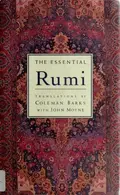
For new readers, starting with collections of his shorter poems or selected verses, often found in anthologies like 'The Essential Rumi,' can be a more accessible entry point than diving directly into the lengthy Masnavi. These selections often highlight his most famous and impactful verses.
The name Rumi refers to 'Roman' or 'from Anatolia,' reflecting that he lived most of his life in Konya, which was then part of the Seljuk Sultanate of Rum, a former territory of the Byzantine (Roman) Empire.