Oliver Sacks
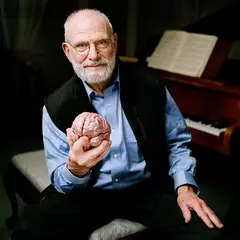
Oliver Sacks
Author • Editor • Narrator1933-07-09 – 2015-08-30 · From United Kingdom- Books
- 21
- Followers
- 0
About
Oliver Sacks, M.D. was a physician, a best-selling author, and a professor of neurology at the NYU School of Medicine. The New York Times has referred to him as “the poet laureate of medicine.”
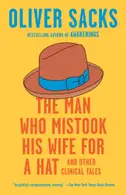
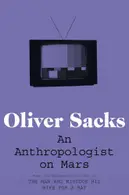
He is best known for his collections of neurological case histories, including The Man who Mistook his Wife for a Hat, Musicophilia: Tales of Music and the Brain and An Anthropologist on Mars. Awakenings, his book about a group of patients who had survived the great encephalitis lethargica epidemic of the early twentieth century, inspired the 1990 Academy Award-nominated feature film starring Robert De Niro and Robin Williams.
Dr. Sacks was a frequent contributor to the New Yorker and the New York Review of Books.
Top genres
Science Non-Fiction Psychology Medicine Health
Also known as
Links
Featured works



Series

Authors in the same genres


A

A

R

M


Frequently asked questions
Oliver Sacks is widely recognized for his unique approach to neurological case studies, blending scientific rigor with profound human empathy. His works often explore the subjective experiences of individuals with neurological conditions, making complex medical concepts accessible and engaging for a general audience.
Yes, his book "Awakenings" was adapted into an Academy Award-nominated feature film starring Robert De Niro and Robin Williams. Additionally, "The Man Who Mistook His Wife for a Hat" has been adapted into an opera.
For readers new to Oliver Sacks, "The Man Who Mistook His Wife for a Hat" is an excellent introduction to his distinctive style of neurological case histories. It showcases his ability to combine scientific insight with compelling storytelling.
Oliver Sacks' writing is distinctive for its narrative quality, often described as a blend of scientific inquiry and literary artistry. He delves into the personal stories of his patients, exploring the profound impact of neurological conditions on identity and perception, rather than just presenting clinical facts.