Langston Hughes

Langston Hughes
1 February 1902 – 22 May 1967- Books
- 29
- Followers
- 0
About
Langston Hughes
(1902-1967)
Writer, editor, lecturer
Langston Hughes achieved fame as a poet during the burgeoning of the arts known as the Harlem Renaissance, but those who label him "a Harlem Renaissance poet" have restricted his fame to only one genre and decade. In addition to his work as a poet, Hughes was a novelist, columnist, playwright, and essayist, and though he is most closely associated with Harlem, his world travels influenced his writing in a profound way. Langston Hughes followed the example of Paul Laurence Dunbar, one of his early poetic influences, to become the second African American to earn a living as a writer. His long and distinguished career produced volumes of diverse genres and inspired the work of countless other African American writers.
--From Gale Cengage Learning Free resources
Top genres
Classics Essays Poetry Education Drama
Also known as
Featured works
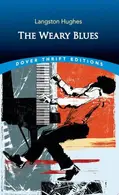
Start here5.0
The Weary Blues
Langston Hughes
Poetry
Prentice Hall Literature
Aleksandr Solzhenitsyn
Poetry
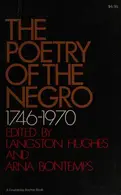
The poetry of the Negro, 1746-1970
A. B. Magil
Poetry
Prentice Hall Literature -- Platinum
Aaron Copland
Poetry
Prentice Hall Literature--Timeless Voices, Timeless Themes--The American Experience
Abigail Adams
Poetry
Series



Authors in the same genres


Frequently asked questions
Langston Hughes is primarily celebrated for his pivotal role in the Harlem Renaissance, particularly for his innovative poetry that captured the experiences of Black Americans. He was also a prolific writer of plays, essays, and short stories, often exploring themes of racial identity, social justice, and the beauty of Black culture.
While there haven't been major feature film adaptations of his specific works, Langston Hughes's poetry and stories have been adapted into various stage productions, short films, and documentaries, reflecting his enduring influence on American arts and culture.
Langston Hughes received numerous accolades throughout his career, including a Guggenheim Fellowship, a Rosenwald Fellowship, and the Spingarn Medal from the NAACP for his outstanding achievements. He was also posthumously inducted into the American Academy of Arts and Letters.
Hughes's writing is distinctive for its use of jazz and blues rhythms, its accessible language, and its authentic portrayal of everyday Black life in America. He often incorporated vernacular speech and musicality into his poetry, creating a unique and powerful voice.