Horatio Alger, Jr.
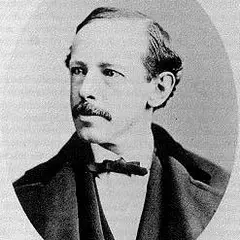
Horatio Alger, Jr.
13 January 1832 – 18 July 1899- Books
- 2
- Followers
- 0
About
Horatio Alger, Jr. was a prolific 19th-century American author, most famous for his novels following the adventures of bootblacks, newsboys, peddlers, buskers, and other impoverished children in their rise from humble backgrounds to lives of respectable middle-class security and comfort. His novels were hugely popular in their day.
Born in Chelsea, Massachusetts, the son of a Unitarian minister, Alger entered Harvard University at the age of 16. Following graduation, he briefly worked in education before touring Europe for almost a year. He then entered the Harvard Divinity School, and, in 1864, took a position at a Unitarian church in Brewster, Massachusetts.
Two years later, he resigned following allegations he'd molested two teenage boys. He subsequently retired from the ministry entirely and moved to New York City where he formed an association with the Newsboys Lodging House and other agencies offering aid to impoverished children.
His sympathy for the working boys of the city, coupled with the moral values learned at home, were the basis of his many juvenile "rags to riches" novels. He died in 1899.
Top genres
Business & Economics Non-Fiction Self-Help & Psychology Fiction Historical Fiction
Also known as
Featured works

Series
Authors in the same genres
D
R
A
W

A
R

M
R
S
S
Frequently asked questions
Horatio Alger, Jr. is primarily known for his "rags-to-riches" narratives, which typically feature young, impoverished boys who achieve success and wealth through hard work, honesty, and perseverance. His stories often reflect the American ideal of upward mobility during the 19th century.
Many of Horatio Alger, Jr.'s books feature recurring themes and character archetypes, but they are generally standalone stories rather than a continuous series with an overarching plot. Readers can pick up most of his works without needing to read others first.
Horatio Alger, Jr.'s writing style is characterized by straightforward prose and moralistic undertones, aiming to inspire young readers with tales of virtue rewarded. His narratives often include dramatic events and clear distinctions between good and bad characters.