Ernst Jünger

Ernst Jünger
1895 – 19988
Books—
Avg Rating0
Ratings0
FollowersAbout
Ernst Jünger ( 29. März 1895 in Heidelberg; † 17. Februar 1998 in Riedlingen) war ein deutscher Schriftsteller, dessen Persönlichkeit und Werk durch die Teilnahme am Ersten Weltkrieg geprägt wurden. Er ist vor allem durch Kriegserlebnisbücher wie In Stahlgewittern,* phantastische Romane und Erzähl…
Top Genres
Philosophy Essays Non-Fiction Military History Politics & Society
Also Known As
Ernst Junger, Ernst xzo Junger, Ernst JUNGER, ERNST JUNGER, ernst junger, Ernst junger, Jünger, Ernst, Ernst JüngerFeatured Works

Correspondence 1949-1975
Ernst Jünger
Correspondence #2
El mundo transformado, seguido de El instante peligroso
Ernst Jünger

Sämtliche Werke, 18 Bde. u. 4 Supplement-Bde., Bd.21, Strahlungen
Ernst Jünger
Sämtliche Werke #21
Parijs dagboek, 1943-1944
Ernst Jünger
Journal #2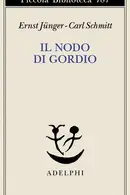
Il nodo di Gordio
Carl Schmitt
Series


Authors in the same genres


C


Frequently asked questions
What is Ernst Jünger best known for?
Ernst Jünger is primarily known for his writings on his experiences in World War I, particularly his early work that explored the nature of modern warfare. His later works delved into philosophical and sociological themes, often reflecting on technology, nihilism, and the human condition.
What is a good starting point for reading Ernst Jünger?
For readers interested in his war experiences, Storm of Steel is widely considered the essential starting point. For those interested in his philosophical essays, The Worker or On the Marble Cliffs offer insights into his later intellectual development.
What themes are common in Ernst Jünger's work?
Jünger's work frequently explores themes of war, technology's impact on humanity, the individual's relationship with society, and the search for meaning in a changing world. He often examines the intersection of nature and civilization, and the concept of the 'worker' in modern industrial society.