David Hume
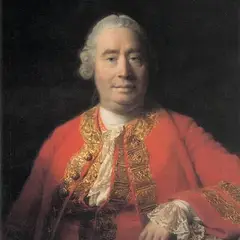
David Hume
Author • Afterword1711-04-26 – 1776-08-25- Books
- 4
- Followers
- 0
About
David Hume (7 May 1711 [26 April O.S.] – 25 August 1776) was a Scottish philosopher, historian, economist, and essayist, known especially for his philosophical empiricism and skepticism. He is regarded as one of the most important figures in the history of Western philosophy and the Scottish Enlightenment. Hume is often grouped with John Locke, George Berkeley, and a handful of others as a British Empiricist.
Also known as
Featured works

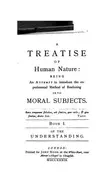
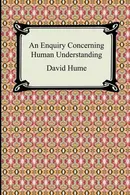
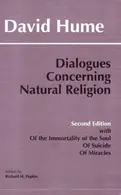
Authors in the same genres


Frequently asked questions
David Hume is primarily recognized for his contributions to empiricism and skepticism, particularly his arguments concerning causality and induction. His philosophical work significantly influenced subsequent thinkers in the Scottish Enlightenment and beyond.
For readers new to David Hume, a good starting point is often "An Enquiry Concerning Human Understanding." It presents a more accessible and refined version of many ideas first explored in his earlier, more extensive work, "A Treatise of Human Nature."
David Hume's writing is characterized by its clarity, analytical rigor, and often elegant prose, even when tackling complex philosophical concepts. He frequently employs thought experiments and appeals to common experience to illustrate his arguments.